Hazards and Treatment of Astigmatism
Aug 02, 2022
Source: Cainiu Health

Dr. Chen You
Introduction
One of the hazards of astigmatism is visual fatigue. Symptoms of visual fatigue associated with high astigmatism are often subtle. Astigmatism can also lead to decreased visual acuity—the more severe the astigmatism, the more pronounced the vision loss. Additionally, astigmatism may contribute to amblyopia, strabismus, headache, and ocular soreness. Astigmatism readily induces visual fatigue, and individuals with astigmatism frequently rely on accommodative effort to compensate.
With the emergence of various electronic devices, people are increasingly exposed to screens daily—often working overtime and staying up late to use computers, while some students even play video games all night. Consequently, eye-related disorders have become one of the most prevalent health concerns in modern society, with astigmatism being a relatively common condition. So, what are the hazards and treatment options for astigmatism?
Hazards and Treatment of Astigmatism
One major hazard of astigmatism is visual fatigue. In cases of high astigmatism, symptoms of visual fatigue may not be readily apparent. Astigmatism can also lead to reduced visual acuity—the more severe the astigmatism, the more pronounced the decline in vision. Additionally, it may contribute to amblyopia (lazy eye), strabismus (misaligned eyes), headaches, and ocular discomfort or soreness. Astigmatism easily induces visual fatigue because affected individuals frequently rely on accommodative effort to sharpen their vision. However, sustained accommodation places excessive strain on the ciliary muscle, thereby triggering visual fatigue. In cases of high astigmatism, no amount of voluntary accommodative effort can improve vision, leading patients to abandon such attempts altogether—hence, visual fatigue symptoms may remain subtle. Chronic eye fatigue, however, increases susceptibility to other ocular conditions, such as conjunctivitis and blepharitis.
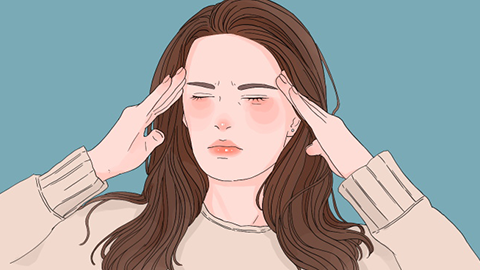
Individuals with astigmatism should first maintain proper eye posture in daily life. Prolonged screen time—especially at close range—should be avoided, and good ocular hygiene must be practiced to prevent secondary eye infections that could exacerbate the condition. Equally important is balancing work and rest, as well as optimizing the lighting and ergonomics of one’s work environment. If astigmatism significantly impairs vision, corrective eyewear should be prescribed promptly, as glasses effectively restore visual clarity.
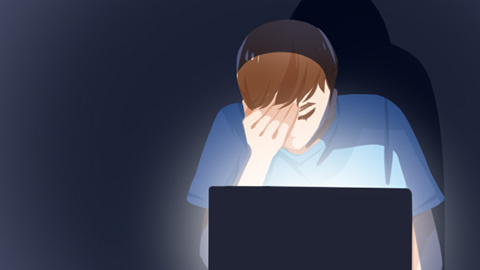
Patients are advised to maintain regular ocular hygiene, avoid prolonged or excessive near work, refrain from using mobile devices in dim lighting, and perform eye exercises routinely—these habits collectively support long-term eye health. We hope this information proves helpful to you.