


Are liver cirrhosis nodules serious?
Aug 03, 2022
Source: Cainiu Health

Dr. Jin Zhongkui
Introduction
Cirrhotic nodules can be effectively treated and resolved through active therapy; thus, they are not inherently life-threatening. Nodular cirrhosis is primarily caused by viral hepatitis. Additionally, it may occur in conditions such as alcoholic liver disease, cholestasis, nonalcoholic fatty liver disease (NAFLD), and drug-induced liver injury. Cirrhotic nodules result from extensive hepatic tissue damage, characterized by fibrous tissue surrounding regenerative nodules. Patients with cirrhotic nodules should maintain a high-protein diet.
In real life, although everyone’s economic capacity has improved rapidly, people’s physical health has concurrently encountered numerous issues. For instance, many individuals suffer from cirrhosis and nodular liver disease; however, some patients lack sufficient understanding of these conditions and thus fail to select appropriate and effective treatments. So, how serious is cirrhotic nodular disease?
How Serious Is Cirrhotic Nodular Disease?
Cirrhotic nodules can be effectively treated and even resolved with timely, active intervention; therefore, they are not inherently life-threatening. Nodular cirrhosis is primarily caused by viral hepatitis. Additionally, it may develop secondary to alcoholic liver disease, cholestasis, nonalcoholic fatty liver disease (NAFLD), or drug-induced liver injury. Cirrhotic nodules result from widespread hepatic parenchymal damage, wherein regenerating hepatocyte nodules become surrounded by fibrous tissue. Patients with cirrhotic nodules should consume a high-protein diet to maintain normal protein metabolism, adopt a balanced and rational dietary pattern, strengthen their body’s immune resistance, and eliminate the underlying etiological factors.
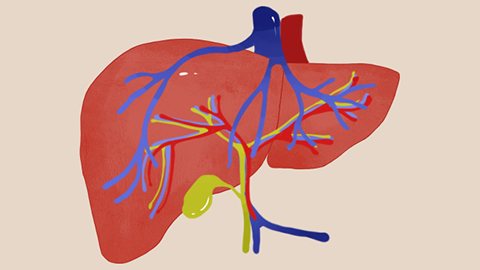
Cirrhotic nodules represent merely an imaging manifestation of the disease and do not directly correlate with its clinical severity. Once cirrhosis develops, imaging studies typically reveal nodular changes—indicating long-standing chronic hepatitis and repeated episodes of hepatocellular injury that progressively lead to hepatic fibrosis. Localized fibrotic nodules then form, manifesting as cirrhotic nodules on imaging. The presence of cirrhotic nodules suggests a prolonged disease history; thus, identifying and addressing the root cause is essential. Etiology-directed therapy should be implemented alongside antifibrotic treatment. Importantly, clinicians and patients alike must remain vigilant: over time, some individuals with cirrhotic nodules may progress to hepatocellular carcinoma (HCC); therefore, regular surveillance and follow-up examinations are strongly recommended.

Patients are advised to adjust their dietary habits—avoiding spicy and irritating foods—and to abstain completely from tobacco and alcohol. We hope this information proves helpful to you.



