


What are the causes of hepatitis C progressing to cirrhosis?
Dec 03, 2025
Source: Cainiu Health

Dr. Gao Jun
Introduction
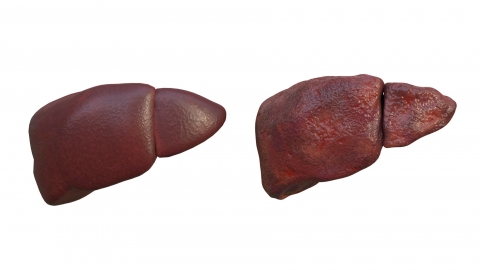
In general, factors that may contribute to the progression of hepatitis C to cirrhosis include alcohol consumption, unhealthy lifestyle habits, delayed or inadequate treatment, coexisting fatty liver disease, and diabetes. Patients can choose appropriate measures based on their individual circumstances to improve their condition. Individuals with hepatitis C should recognize the importance of early treatment and seek timely, standardized medical care after diagnosis. They should also adopt a healthy lifestyle and avoid smoking, alcohol, and staying up late.
Under normal circumstances, factors that may contribute to the progression of hepatitis C to cirrhosis include alcohol consumption, poor sleep habits, delayed treatment, coexisting fatty liver disease, and concurrent diabetes. Patients can choose appropriate interventions based on their individual conditions. A detailed analysis is as follows:
1. Alcohol Consumption
Alcohol must be metabolized by the liver, and its metabolite acetaldehyde directly damages liver cells. For patients with hepatitis C, drinking alcohol increases the burden on the liver and accelerates the progression from liver fibrosis to cirrhosis. Complete abstinence from alcohol and avoidance of all alcoholic beverages are essential to reduce additional liver damage.
2. Poor Sleep Habits
Chronic sleep deprivation disrupts the liver’s natural metabolic and repair rhythms. In hepatitis C patients whose liver cells are already damaged, staying up late further impairs liver cell regeneration and increases the risk of cirrhosis. It is recommended to ensure 7–8 hours of sleep daily and maintain a regular sleep schedule to allow the liver adequate rest.
3. Delayed Treatment
Continuous replication of the hepatitis C virus repeatedly damages liver cells. Without timely antiviral therapy, liver injury accumulates and gradually progresses to cirrhosis. Under medical guidance, patients may take medications such as sofosbuvir/velpatasvir tablets, glecaprevir/pibrentasvir tablets, or elbasvir/grazoprevir tablets to standardize treatment and reduce viral load.
4. Coexisting Fatty Liver Disease
Accumulation of fat within liver cells compresses healthy hepatocytes and synergistically worsens liver damage with the hepatitis C virus, accelerating the development of cirrhosis. Reducing dietary fat intake and increasing aerobic exercise are important. Under medical supervision, adjuvant therapies such as silybin capsules or polyene phosphatidylcholine capsules may be used to support liver health.
5. Coexisting Diabetes
A high blood glucose state impairs liver metabolism and reduces the liver's capacity for repair, promoting the progression of liver fibrosis. Blood glucose should be managed through diet and physical activity; when necessary, follow medical advice to take metformin tablets, glimepiride tablets, or insulin injections to maintain stable blood sugar levels.
Hepatitis C patients should recognize the importance of early treatment and seek standardized medical care promptly after diagnosis. They should adopt a healthy lifestyle, avoiding smoking, alcohol, and late nights. Regular monitoring of liver function and liver ultrasound examinations are crucial to track liver health and minimize the risk of developing cirrhosis.


