


Which is more harmful: hypertension or hypotension?
Aug 03, 2022
Source: Cainiu Health

Dr. Li Man
Introduction
Both hypotension and hypertension are extremely serious. Normal physiological hypotension does not harm the body. However, pathological hypotension—such as orthostatic hypotension or postprandial hypotension—can be dangerous. Orthostatic hypotension, in particular, often leads to falls in affected patients. Due to loss of consciousness, patients are highly prone to falling, potentially resulting in traumatic brain injury and intracranial hemorrhage.
High blood pressure (hypertension) can cause significant harm to the body, while low blood pressure (hypotension) is also extremely dangerous. If you frequently experience weakness, dizziness, or fatigue, it may be due to hypotension. Without timely and effective treatment, hypotension can lead to serious complications. So, which poses a greater health risk—hypertension or hypotension?
Which Is More Dangerous: Hypertension or Hypotension?
Both hypertension and hypotension are serious conditions. Physiological (normal, benign) hypotension generally causes no harm to the body. However, pathological hypotension—such as orthostatic hypotension or postprandial hypotension—can be highly dangerous. Orthostatic hypotension, in particular, often leads to falls. Because affected individuals may lose consciousness, they are at high risk of falling—especially sustaining traumatic brain injury with intracranial hemorrhage. Untreated or poorly controlled hypertension, on the other hand, accelerates atherosclerosis, damages vascular endothelium, induces left ventricular hypertrophy and cardiac chamber dilation, increases the risk of cerebral hemorrhage and ischemic stroke, reduces nephron mass, impairs renal function, causes proteinuria, and leads to retinal hemorrhage and exudation. Thus, both hypertension and hypotension represent serious clinical threats.
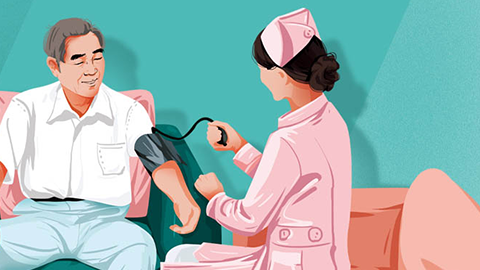
Hypertension is a major causative factor and independent risk factor for numerous cardiovascular and cerebrovascular diseases. It adversely affects the structure and function of vital organs—including the heart, brain, and kidneys—and ultimately contributes to organ failure. To date, it remains one of the leading causes of death among patients with cardiovascular disease. Hypotension, meanwhile, can precipitate acute drops in blood pressure, shock, and even death; it may also coexist with chronic disorders such as primary chronic adrenal insufficiency, pituitary dysfunction, or pheochromocytoma—conditions that inflict progressive, long-term damage to the body.

Patients are advised to maintain a balanced diet rich in nutrients, incorporating appropriate proportions of lean meats and vegetables. Emphasis should be placed on consuming lean meats and protein-rich foods. We hope this information proves helpful to you.




