


Why do I feel nauseous, want to vomit, or experience gastric reflux?
Aug 03, 2022
Source: Cainiu Health

Dr. Zhao Haiming
Introduction
Nausea, vomiting, and gastric reflux may indicate indigestion. After eating, insufficient gastric motility or delayed gastric emptying can lead to symptoms such as abdominal pain, bloating, nausea, gastric reflux, and indigestion. In such cases, prokinetic and digestive aids—such as domperidone (Motilium) and yeast tablets—may be taken orally. Additionally, hawthorn tablets and Jianwei Xiaoshi Pian (a traditional Chinese medicine for strengthening the stomach and aiding digestion) can help alleviate discomfort associated with nausea, vomiting, and gastric reflux.
Nausea and vomiting are common symptoms that reflect underlying disease processes in the body. However, most people typically pay little attention to nausea and vomiting unless these symptoms severely impair eating or daily activities—only then do they seek medical treatment. Yet, numerous potential causes exist for these symptoms. So, what causes nausea, vomiting, and gastric reflux?
Causes of Nausea, Vomiting, and Gastric Reflux
Nausea, vomiting, and gastric reflux may indicate indigestion (dyspepsia). After eating, insufficient gastric motility or delayed gastric emptying can lead to abdominal pain, bloating, nausea, and gastric reflux—classic symptoms of dyspepsia. In such cases, prokinetic and digestive-aid medications—such as domperidone (Motilium) or yeast tablets—may be taken orally. Alternatively, hawthorn tablets or Jianwei Xiaoshi Pian (a traditional Chinese medicine formulation for promoting digestion and strengthening the stomach) may help alleviate nausea, vomiting, and gastric reflux. Dietary habits should also be adjusted: maintain regular mealtimes; avoid overeating or binge eating; opt instead for smaller, more frequent meals and easily digestible liquid or semi-liquid foods—such as millet porridge or light noodles. Increase intake of fresh fruits and vegetables to ensure adequate vitamin supplementation. Chew food thoroughly and eat slowly during meals—not only to enhance nutrient absorption but also to accelerate gastric emptying. Engage in appropriate physical activity, and avoid eating before bedtime.
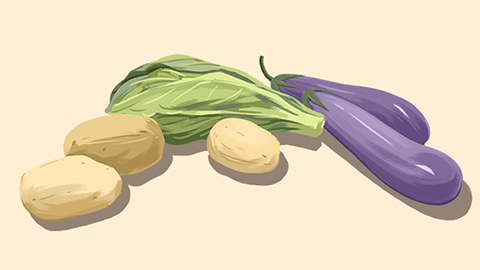
Nausea, vomiting, and gastric reflux are commonly attributed to gastrointestinal disorders, such as dyspepsia and impaired gastric motility. Oral digestive aids—including motilin agonists and Jianwei Xiaoshi Pian—may be used. Other possible causes include chronic gastritis, duodenal ulcers, or drug-induced side effects. In such cases, a combination of oral antacids and gastric mucosal protectants—such as omeprazole or colloidal bismuth pectin—may be prescribed. Additionally, chronic pharyngitis can also provoke these symptoms; management focuses primarily on eliminating triggering factors. Maintain regular dietary habits, avoid overeating, adopt smaller, more frequent meals, and consume ample fresh fruits and vegetables.
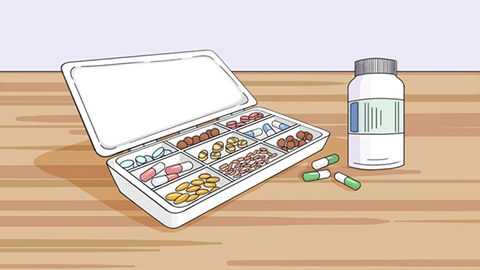
It is recommended to avoid eating before bedtime, engage in moderate exercise, and support healthy digestion. Moreover, for women of childbearing age, pregnancy should be ruled out as a potential cause. We hope this information proves helpful.







