How to Overcome Obsessive Thoughts
Aug 06, 2022
Source: Cainiu Health

Dr. He Haochen
Introduction
Obsessive-compulsive thoughts can be overcome through psychotherapy, pharmacotherapy, and other approaches. Active self-adjustment is also essential. Recommended psychotherapeutic approaches include cognitive-behavioral therapy (CBT), behavior therapy, Morita therapy, psychoanalytic therapy, and family therapy. Among these, cognitive-behavioral therapy (CBT) is a widely recommended treatment modality.
Thought and association disturbances are a core symptom of schizophrenia, manifesting in diverse ways. Patients with such disturbances persistently experience irrational and bizarre thought associations, leading them to engage in various behaviors inconsistent with their environment—sometimes resulting in self-harm or harm to others. Therefore, timely treatment is essential for these patients. So, how can one overcome obsessive thoughts?
How to Overcome Obsessive Thoughts
Obsessive thoughts can be addressed through psychological therapies, pharmacological treatments, and proactive self-adjustment. Recommended psychological interventions include cognitive-behavioral therapy (CBT), behavior therapy, Morita therapy, psychoanalytic therapy, and family therapy. Among these, CBT is widely regarded as a first-line evidence-based treatment. Here, special emphasis is placed on psychoanalytic therapy: if obsessive thoughts stem from adverse childhood experiences or unresolved negative emotions residing in the unconscious, psychoanalytic therapy can help uncover and actively resolve underlying unconscious conflicts.
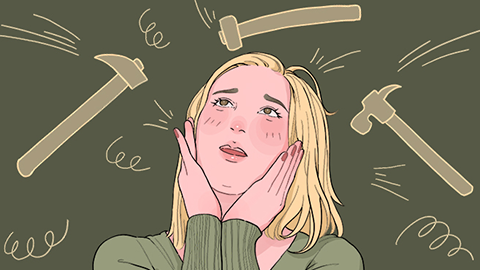
In schizophrenia, obsessive thinking primarily occurs during the early stages of the illness. Some patients may repeatedly ruminate over certain questions, or specific thoughts may intrusively recur in their minds. Although patients recognize these thoughts as excessive—or even absurd and strange—they feel unable to control their emergence, causing significant distress. Clinically, this phenomenon is termed “obsessive thinking in schizophrenia.”

It is also critically important for patients to learn emotional expression, practice attention redirection, cultivate personal interests, and undergo long-term, systematic psychological treatment. We hope this response proves helpful to you.