


Which department should adults visit for mumps?
Aug 10, 2022
Source: Cainiu Health

Dr. Zhang Liwen
Introduction
Sialadenitis caused by oral infections is mostly bacterial in nature. Additionally, it is directly associated with sialolithiasis (salivary duct stones) and ductal obstruction; therefore, patients with this type of sialadenitis are better managed by visiting a dental or oral medicine specialist. Besides bacteria and the mumps virus, other viruses—including cytomegalovirus (CMV), Epstein–Barr virus (EBV), influenza virus, and enteroviruses—can also cause sialadenitis.
The parotid glands are located beneath the earlobes, anatomically situated on both sides of the cheeks. When infected and inflamed, the parotid glands typically swell diffusely, centered around the earlobe. The primary cause of parotitis is infection with the mumps virus; thus, many people assume they should visit the Department of Infectious Diseases when seeking medical care. However, parotitis can also result from numerous non-infectious causes. So, which department should adults with parotitis visit?
Which Department Should Adults with Parotitis Visit?
Parotitis caused by oral infections is often bacterial in origin. It is also closely associated with sialolithiasis (salivary gland stones) and ductal obstruction. For such cases, visiting the Department of Stomatology (Oral Medicine) is more appropriate. In addition to bacteria and the mumps virus, other viruses—including cytomegalovirus (CMV), Epstein-Barr virus (EBV), influenza virus, and enteroviruses—can also cause parotitis. Patients with viral parotitis of this type are typically referred to the Department of Infectious Diseases.
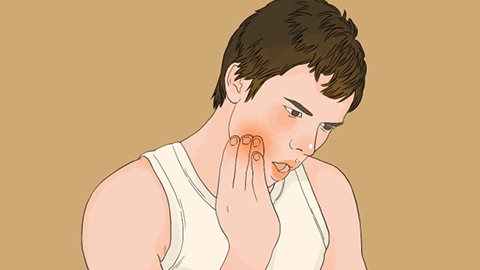
Certain forms of parotitis are linked to immune system abnormalities, often occurring in individuals with chronic autoimmune disorders. For example, patients with chronic liver disease or diabetes may experience recurrent parotid swelling. In such cases—where mumps-like parotitis is non-infectious and secondary to an underlying condition—patients should generally seek care in the department specializing in their primary disease. The parotid glands lie bilaterally around the earlobes and primarily function to aid digestion and lubricate the oral cavity through saliva secretion.

In daily life, maintain regular, balanced meals; avoid spicy, irritating, or overly rich foods, and refrain from binge eating. Also, avoid staying up late. We hope this information proves helpful.






