


What should I do if my child has tonsillitis?
Aug 10, 2022
Source: Cainiu Health

Dr. Xu Gang
Introduction
Tonsillitis in children can be treated through general measures, antibiotic therapy, surgical intervention, and dietary regulation. Ensure adequate bed rest, increased fluid intake, consumption of liquid or soft foods, and maintenance of good oral hygiene. Keep the indoor air fresh, and maintain appropriate room temperature and humidity. Practice respiratory isolation to prevent complications; antibiotic therapy is highly effective for tonsillitis.
Tonsillitis must not be overlooked; when inflammation occurs, prompt and active measures should be taken for treatment and control. If infection develops and leads to other complications, the risks become significantly greater. So what should be done if a child develops tonsillitis?
Management of Tonsillitis in Children
Tonsillitis in children can be managed through general supportive care, antibiotic therapy, surgical intervention, and dietary adjustments. Ensure adequate bed rest, increased fluid intake, and consumption of soft or liquid foods. Maintain good oral hygiene. Keep indoor air fresh, and ensure appropriate temperature and humidity levels. Practice respiratory isolation to prevent complications. Antibiotic therapy is highly effective for treating tonsillitis. High-dose vitamin C, penicillin, and macrolide antibiotics may be prescribed. It is advisable to consider tonsillectomy once the acute inflammation has been adequately controlled. Surgical removal remains an effective method for eliminating potential pathogens—particularly indicated in cases of recurrent acute tonsillitis accompanied by complications.
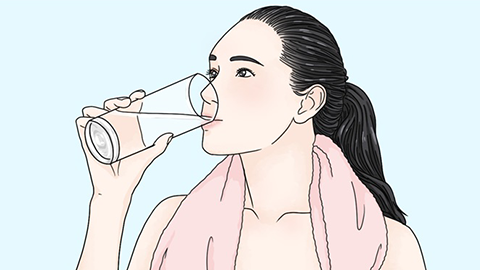
Consume heat-clearing and detoxifying foods, such as mung bean soup, red bean porridge, cabbage, and white radish. Also include yin-nourishing and lung-moistening foods in the diet. Avoid spicy, pungent, fried, or otherwise irritating foods—including ginger, pepper, garlic, and fried dough sticks (youtiao). Smoking and alcohol consumption should also be avoided. For symptomatic relief, iodine-containing lozenges may be used—1–2 tablets per dose, 3–4 times daily. This approach is simple and effective. Alternatively, gargling with warm saline solution for approximately five minutes per session is also beneficial. During convalescence, patients should adhere to a light, bland diet, avoiding spicy, cold, or greasy foods. After recovery, regular physical exercise should be undertaken to enhance overall physical fitness.
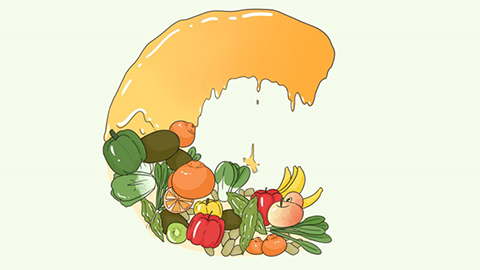
It is recommended to consume ample fruits and vegetables daily to ensure adequate vitamin intake, maintain a balanced work-rest schedule, and cultivate healthy lifestyle habits. We hope this information proves helpful.




