


What causes sweating and fever?
Dec 10, 2025
Source: Cainiu Health

Dr. Ren Yi
Introduction
Fever with sweating may be caused by high ambient temperature, intense physical activity, emotional excitement, upper respiratory tract infection, acute tonsillitis, etc. Symptoms can be improved by adjusting the environment, resting to lower body temperature, or medication. If fever persists above 38.5°C, or is accompanied by severe pain or difficulty breathing, prompt medical attention is required. In hot and poorly ventilated environments, the body's heat dissipation is obstructed, leading to...
Feeling hot and sweating may be caused by high environmental temperature, intense exercise, emotional excitement, upper respiratory tract infection, acute tonsillitis, etc. Symptoms can be improved by adjusting the environment, resting to lower body temperature, or medication. If fever persists above 38.5°C or is accompanied by severe pain or difficulty breathing, seek medical attention promptly.
1. High environmental temperature: Being in a hot, poorly ventilated environment can obstruct the body's heat dissipation, leading to fever and sweating, often accompanied by dry mouth and dizziness. It is recommended to move to a cool, well-ventilated area, loosen clothing, and use a damp towel to wipe the forehead and neck to assist in cooling.
2. Intense exercise: High-intensity physical activity increases internal heat production, and the body regulates temperature through sweating, which may be accompanied by muscle soreness and fatigue. It is advised to stop exercising, replenish with light salt water, rest, perform gentle stretching, and avoid exposure to cold air immediately after exercise.
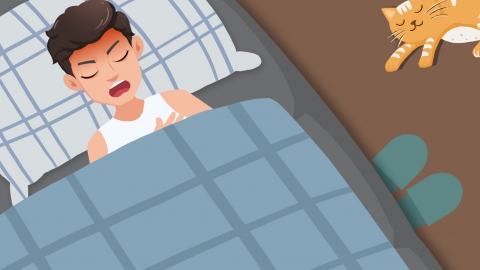
3. Emotional excitement: Extreme tension or anxiety can activate the sympathetic nervous system, causing blood vessel dilation and increased sweating, possibly accompanied by transient low-grade fever. Deep breathing, meditation, and distraction techniques can help stabilize emotions, with symptoms typically subsiding once calm is restored.
4. Upper respiratory tract infection: Viral or bacterial infections causing respiratory inflammation trigger an immune response that results in fever. Sweating often occurs during the fever-reduction phase, accompanied by sore throat and nasal congestion. Under a doctor’s guidance, patients may use medications such as acetaminophen suspension, Lianhua Qingwen capsules, or amoxicillin capsules to relieve symptoms.
5. Acute tonsillitis: Inflammation of the tonsils due to infection leads to fever and sweating, with redness, swelling, and pain in the tonsils, worsening during swallowing. It is recommended to take medications such as ibuprofen sustained-release capsules, cefaclor dispersible tablets, or Pudilan anti-inflammatory oral liquid under medical supervision to alleviate discomfort.
Maintain good indoor ventilation, adjust clothing according to body temperature changes, drink plenty of warm water to stay hydrated, follow a light and easily digestible diet, avoid spicy and irritating foods, ensure adequate sleep, and get moderate rest to support recovery.






