


Types of Urticaria
Aug 10, 2022
Source: Cainiu Health

Dr. Liu Wan
Introduction
Urticaria types include acute urticaria and chronic urticaria, among others. Acute urticaria is triggered by external skin irritants and unhealthy lifestyle habits and is non-hereditary. Chronic urticaria develops from acute urticaria and is also non-hereditary. Cold urticaria and heat urticaria are forms of physical urticaria caused by congenital factors; they are autosomal dominant genetic disorders and therefore hereditary.
Urticaria, commonly known as “wind rash” or “hives,” is associated with climatic factors but can occur year-round. During acute episodes, raised, itchy wheals may appear on localized areas of the skin. The number and size of these rashes vary, and the condition frequently recurs; its duration is unpredictable—ranging from several days to several months. So, what are the different types of urticaria?
Types of Urticaria
Urticaria can be classified into several types, including acute urticaria and chronic urticaria. Acute urticaria is triggered by external skin irritants and unhealthy lifestyle habits and is non-hereditary. Chronic urticaria develops from acute urticaria and is also non-hereditary. Cold urticaria and heat urticaria are physical forms of urticaria caused by congenital factors; they are autosomal dominant inherited disorders and therefore hereditary. Solar urticaria and contact urticaria are rare and potentially severe conditions; although less common, they are associated with genetic predisposition and exhibit a hereditary tendency.
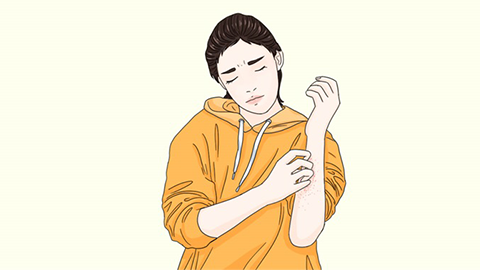
At home, minimize keeping pets such as cats and dogs, as their dander can trigger allergic skin reactions in humans—a common cause of inhalant allergy. Maintain a clean living environment and avoid using carpets, since dust mites—microscopic allergens invisible to the naked eye—are often present indoors; inhaling dust containing these mites may provoke urticaria. During high-risk seasons such as spring and summer, individuals with allergies should avoid visiting parks and minimize exposure to pollen.
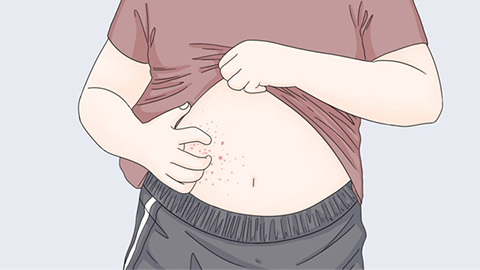
In daily life, maintain a regular and balanced diet—avoid spicy and irritating foods, refrain from overeating or binge eating, and ensure adequate sleep to avoid staying up late. We hope this information is helpful to you.





