


How long after appendectomy can one smoke?
Aug 10, 2022
Source: Cainiu Health

Dr. Zhao Haiming
Introduction
In this scenario, smoking 1–2 cigarettes 7–10 days postoperatively does not significantly impair recovery from the disease; however, smoking is still not recommended. Moreover, if severe post-appendectomy infection is present at this time—particularly with more extensive abdominal infection and尚未 restored gastrointestinal function—patients are advised to refrain from smoking for 1–2 months after surgery, as gastrointestinal motility has not yet recovered.
Postoperative wound care: In cases of laparoscopic appendectomy, surgical incisions rarely lead to infection. However, for open appendectomy, prevention of subcutaneous fluid or pus accumulation—and even wound infection—is essential. Therefore, dressings should be changed regularly after surgery. If necessary, the incision may require incision and drainage to prevent infection. So, how long after appendectomy can one resume smoking?
How long after appendectomy can one resume smoking?
In general, smoking 1–2 cigarettes per day 7–10 days postoperatively does not severely impede recovery—but it is still not recommended. Moreover, if severe postoperative infection occurs—particularly extensive intra-abdominal infection—and gastrointestinal function has not yet recovered, patients should refrain from smoking for 1–2 months after surgery. Impaired gastrointestinal motility during this period may cause abdominal distension, rendering patients unable to eat or drink.
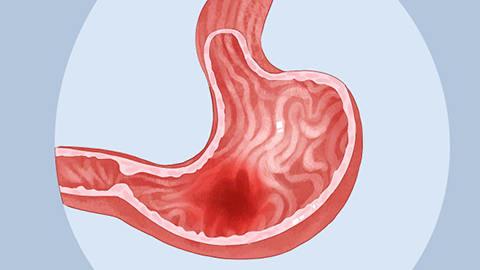
In such circumstances, smoking indiscriminately not only hinders recovery but also exacerbates local infection, delays wound healing, and slows gastrointestinal functional recovery. It is therefore recommended that patients wait at least one month after appendectomy before resuming smoking. Appendicitis is typically treated via appendectomy—either conventional open surgery or minimally invasive laparoscopic appendectomy. Regardless of the surgical approach, the procedure constitutes a physical trauma to the patient. Abdominal incisions or trocar puncture sites, along with the intra-abdominal operative field, may result in localized exudation, bleeding, or residual infection.

In daily life, patients should maintain regular, balanced meals; avoid spicy, irritating, or overly rich foods; refrain from binge eating; and avoid staying up late. We hope this information proves helpful.






