


What Causes Nosebleeds?
Aug 11, 2022
Source: Cainiu Health

Dr. Xu Gang
Introduction
Nosebleeds (epistaxis) may be caused by factors such as infection or the presence of a foreign body. As is well known, rhinitis is considered a highly troublesome chronic inflammatory condition. One of the adverse symptoms experienced by patients with chronic rhinitis is epistaxis. Additionally, if a patient’s nose becomes infected—for example, with syphilis, leprosy, or tuberculosis—these infectious diseases may trigger nosebleeds.
In real life, many individuals experience epistaxis (nosebleeds), causing significant psychological distress. This condition is also highly detrimental to overall health improvement, and its potential harm must not be underestimated. Early intervention is essential—treatment should begin as soon as possible, while the condition is still in its initial stages. So, what causes nosebleeds?
What Causes Nosebleeds?
Nosebleeds may result from various factors, including infections or the presence of foreign bodies. As is widely known, rhinitis is a particularly troublesome chronic inflammatory condition. One of the common symptoms experienced by patients with chronic rhinitis is recurrent epistaxis. Additionally, nasal infections—such as those caused by syphilis, leprosy, or tuberculosis—can also trigger nosebleeds. The presence of a foreign object inside the nasal cavity is another frequent cause. Children are especially susceptible to this scenario, as they often neglect proper nasal hygiene, making it easier for foreign objects to enter the nose. If such an object remains lodged in the nasal passage for an extended period, it may lead to mucosal erosion and bleeding. In these cases, bleeding tends to be more profuse and recurrent.
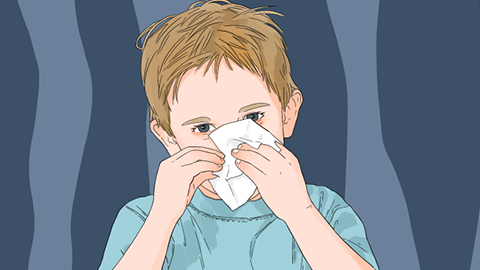
If epistaxis occurs, patients can stop the bleeding by interlocking the middle fingers of both hands—a technique effective within seconds. Since children may find this maneuver difficult, adults can assist by gently interlocking their own middle fingers with the child’s left and right middle fingers. Acupressure at specific points can also rapidly control bleeding. During acupressure, consistent, sustained pressure is crucial; effectiveness depends on maintaining steady pressure for a fixed duration—there is no universal “interval” that guarantees success, and inconsistent application will yield no benefit. Another commonly recommended method involves keeping the head upright or slightly tilted forward while applying firm digital pressure to the soft, anterior portion of the bleeding nostril.

Patients are advised to maintain good nasal hygiene and take medications only under the guidance of a qualified physician. We hope this information proves helpful.



