


What Is the Difference Between Qi Deficiency and Yin Deficiency?
Aug 11, 2022
Source: Cainiu Health

Dr. He Haochen
Introduction
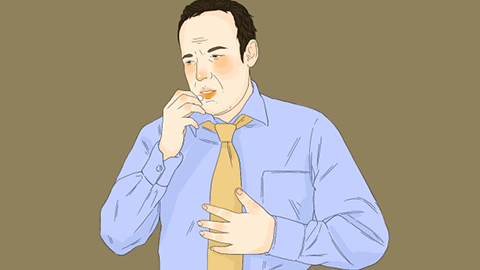
The primary distinction between Qi deficiency and Yin deficiency lies in their differing symptom profiles and associated disease patterns. Qi deficiency is mainly characterized by pallor, shortness of breath, lethargy or reluctance to speak, fatigue, poor appetite, postprandial abdominal distension, loose stools, or stools containing undigested food. In women, it commonly manifests as scanty menstrual flow with pale color, deep and weak pulse. These manifestations collectively constitute the pattern of Qi deficiency, which primarily reflects impaired physiological functions of Qi.
Traditional Chinese Medicine (TCM) classifies human constitutions into nine types, among which “Qi deficiency” and “Yin deficiency” are two distinct categories. In practice, most people do not determine their constitutional type through formal TCM diagnostic methods; however, understanding certain medical concepts can help individuals maintain healthy daily living and dietary habits. Many people struggle to differentiate between Qi deficiency and Yin deficiency—so what exactly distinguishes Qi deficiency from Yin deficiency?
What Is the Difference Between Qi Deficiency and Yin Deficiency?
The primary distinction between Qi deficiency and Yin deficiency lies in their respective symptom profiles and associated pathological patterns. Qi deficiency typically manifests as pallor, shortness of breath, lethargy, weak or soft speech, fatigue, poor appetite, postprandial abdominal distension, loose stools, or stool containing undigested food. Women with Qi deficiency often experience scanty menstrual flow with pale coloration, deep and weak pulses. These manifestations reflect impaired functions of Qi—the vital energy that constitutes the human body and sustains life activities. Qi is a fundamental, subtle substance essential for physiological function and overall vitality.
Yin, by contrast, primarily governs moistening and nourishing functions within the body. Individuals with Yin deficiency commonly exhibit signs of internal dryness and insufficient fluid retention. Mild Qi deficiency may be improved through dietary adjustments; foods that tonify the Spleen-Qi (central Qi) are especially beneficial. In contrast, Yin deficiency requires specific nourishment of Yin fluids.
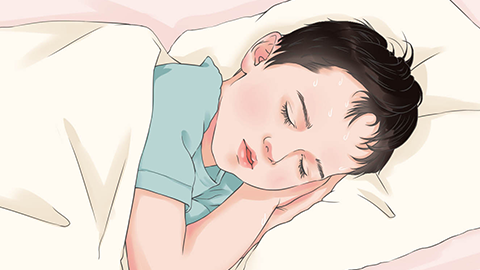
In daily life, maintaining regular, balanced meals is essential. Avoid spicy, stimulating, or overly rich foods, refrain from overeating or binge eating, and ensure adequate rest—particularly by avoiding late-night activity. We hope this explanation proves helpful to you.


