


Optimal Treatment for Minor Stroke
Aug 11, 2022
Source: Cainiu Health

Dr. Li Man
Introduction
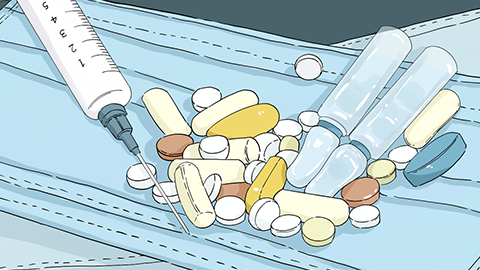
Optimal treatment for transient ischemic attack (TIA) includes pharmacotherapy, etiology-directed therapy, surgery, and interventional therapy. TIA is a high-risk factor for stroke and therefore warrants sufficient attention. Active screening for underlying causes and risk factors, comprehensive assessment, and prompt initiation of appropriate treatment are essential, adhering to the principle of individualized management. Pharmacotherapy typically involves antiplatelet agents; in selected patients with recurrent TIA, anticoagulation therapy may be considered.
Cold seasons are also peak periods for stroke, which carries high mortality and disability rates. It is nearly impossible to remain physically intact after a stroke; however, several distinct symptoms often appear hours or days before the onset. So, what is the optimal treatment for transient ischemic attack (TIA), commonly known as “mini-stroke”?
Optimal Treatment for Transient Ischemic Attack (TIA)
The optimal management of TIA includes pharmacotherapy, etiology-directed treatment, surgical intervention, and endovascular therapy. Since TIA is a major risk factor for full-blown stroke, it warrants serious attention. Comprehensive evaluation—including active screening for underlying causes and modifiable risk factors—is essential, followed by individualized, proactive therapeutic interventions. Antiplatelet agents are the mainstay of pharmacotherapy; in select cases of recurrent TIA, anticoagulation may be considered. For patients with TIA, identifying the underlying cause is critical, and aggressive, evidence-based management of associated risk factors—such as hypertension, diabetes mellitus, dyslipidemia, and cardiac disease—is strongly recommended. Surgical and endovascular options include carotid endarterectomy and carotid artery stenting.
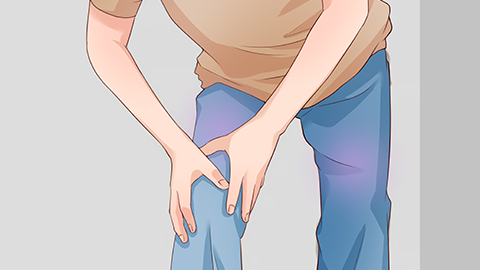
Stroke patients often experience numbness or paresthesia in their limbs. Elderly and middle-aged individuals presenting with abnormal sensations—such as limb numbness, headache, dizziness, vertigo—or those with preexisting conditions including hypertension, hyperlipidemia, diabetes, or cerebral arteriosclerosis should be especially vigilant for early stroke warning signs. These include sudden fatigue, unilateral limb fatigue, unsteady gait, or transient neurological deficits that resolve rapidly but recur. Sudden, temporary visual loss—often affecting only one eye—lasting seconds to minutes, followed by complete spontaneous recovery, is termed “transient monocular blindness” (amaurosis fugax) and reflects transient cerebral ischemia, serving as another important stroke warning sign. Recurrent or sudden-onset dizziness accompanied by vertigo (a sensation of spinning) may also herald an impending stroke. Cerebrovascular sclerosis and resultant cerebral hypoperfusion can impair coordination and balance, leading to unsteadiness and falls—another potential prodromal symptom of stroke.
If any of the above symptoms occur—particularly in individuals with established risk factors such as hypertension, diabetes, or obesity—prompt medical evaluation at a hospital is crucial to prevent disease progression and avoid delays in diagnosis and treatment. We hope this information proves helpful.




