


Symptoms of a Minor Stroke
Aug 14, 2022
Source: Cainiu Health

Dr. He Haochen
Introduction
Symptoms of a minor stroke (transient ischemic attack, or TIA) include sensory disturbances, headache, and dizziness. Patients may experience numbness of the lips, face, and tongue, and may even develop deafness, hearing loss, transient visual blurring, or temporary blindness. Additionally, headache and dizziness may occur, sometimes accompanied by vertigo (a sensation of spinning), nausea, and vomiting. The headache may progressively worsen and persist, occasionally remaining localized to a specific area or associated with impaired motor coordination.
A minor stroke, also known as a transient ischemic attack (TIA), is characterized by a brief episode of neurological dysfunction caused by temporary focal cerebral ischemia without acute infarction. Due to insufficient blood supply to a localized area of the brain, corresponding functional impairments may occur. Each episode typically lasts several minutes to a few hours and may recur. So, what are the symptoms of a minor stroke?
Symptoms of a Minor Stroke
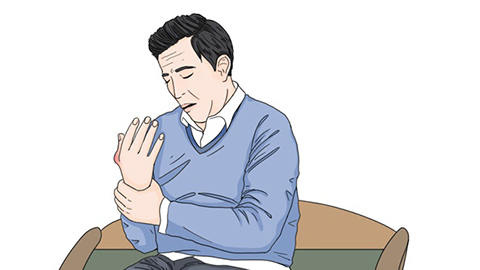
Symptoms of a minor stroke include sensory disturbances, headache, and dizziness. Patients may experience numbness of the lips, face, or tongue, and may even develop sudden hearing loss, diminished hearing acuity, transient visual blurring, or temporary blindness. Additionally, headache and dizziness may be accompanied by vertigo (a sensation of spinning), nausea, and vomiting. The headache may progressively worsen and persist, sometimes remaining localized to a specific area; patients may also exhibit impaired motor coordination, unsteady grip, or muscle spasms.
For patients with particularly severe minor strokes, surgical intervention may be considered. Common surgical approaches include endovascular therapy, craniotomy for hematoma evacuation, and decompressive craniectomy. Among these, endovascular therapy—such as stent placement and angioplasty—is especially suitable for patients with atherosclerotic occlusive disease.

In daily life, patients are advised to maintain a positive mindset, actively cooperate with their physicians during treatment, take prescribed medications consistently and as directed, and pay close attention to routine self-care—thereby facilitating prompt clinical improvement. We hope this information proves helpful to you.




