


What Is the Difference Between Rhinitis and Allergic Rhinitis?
Aug 12, 2022
Source: Cainiu Health

Dr. Xu Gang
Introduction
Distinguishing Rhinitis from Allergic Rhinitis Based on Symptoms
Common symptoms include rhinorrhea, sneezing, nasal itching, and nasal congestion—but notably absent are systemic cold-like symptoms such as headache, chills, and fatigue. In allergic rhinitis, pollen allergy is the predominant trigger, with corresponding symptoms typically occurring during spring and autumn. At such times, antiallergic medications—such as oral loratadine—and intranasal corticosteroid sprays are required for treatment.
Rhinitis is a common condition, yet many people cannot distinguish between common (non-allergic) rhinitis and allergic rhinitis. Typical rhinitis is usually characterized by nasal congestion and rhinorrhea (runny nose), often worsening or persisting during a cold. Allergic rhinitis arises from an overactive immune response—often triggered by specific allergens—and commonly presents with symptoms such as nasal itching, sneezing, watery nasal discharge, and nasal congestion. So, what are the key differences between rhinitis and allergic rhinitis?
Key Differences Between Rhinitis and Allergic Rhinitis
The primary distinction lies in symptom profiles. While both conditions may involve rhinorrhea, sneezing, nasal itching, and nasal congestion, allergic rhinitis typically lacks systemic cold-like symptoms such as headache, chills, or fatigue. Patients with allergic rhinitis are frequently sensitized to airborne allergens—especially pollen—resulting in seasonal symptom exacerbations, most notably during spring and autumn. Treatment generally involves antihistamines (e.g., oral loratadine) and intranasal corticosteroid sprays.
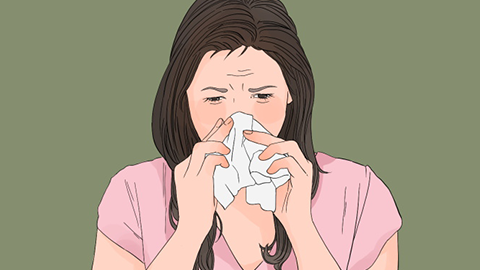
For patients experiencing significant nasal congestion, topical nasal decongestants may be used as adjunctive therapy. In contrast, acute rhinitis following a viral upper respiratory infection (i.e., the common cold) may produce systemic symptoms—including dizziness, headache, generalized fatigue, and even low-grade fever—alongside local nasal manifestations such as rhinorrhea, sneezing, nasal itching, and congestion.
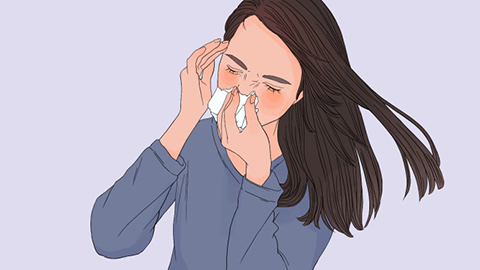
After approximately one week of symptomatic cold treatment, systemic cold symptoms typically resolve, and associated rhinitis symptoms gradually improve. We hope this information proves helpful.



