


What should I do if my anal eczema no longer itches?
Aug 12, 2022
Source: Cainiu Health

Dr. Liu Wan
Introduction
If perianal eczema is severe with erosion and exudation, a warm compress using a decoction of traditional Chinese herbs—such as Phellodendri Cortex (Huang Bai), Sanguisorbae Radix (Sheng Di Yu), Portulacae Herba (Ma Chi Xian), Veronicae Herba (Xiao Cao Ding), and Taraxaci Herba (Pu Gong Ying)—may be applied. After wet compressing, topical application of Taining Ointment, Ma Ying Long Hemorrhoid Ointment, or compound ointments containing both antibiotics and corticosteroids (often combined with traditional Chinese herbal ingredients) can help alleviate symptoms of perianal eczema. For particularly severe pruritus, antihistamines may be used for symptomatic relief. Perianal eczema is primarily localized to the perianal region.
Anal eczema is a skin condition affecting the perianal area. During its acute phase, it typically presents with numerous small papules or vesicles, with an erythematous base. Frequent scratching may lead to skin damage or erosion. So, what should be done when anal eczema no longer causes itching?
What to do when anal eczema stops itching
If severe erosion and exudation are present, topical wet compresses using a decoction of traditional Chinese herbs—such as *Phellodendron amurense* (Huang Bai), *Sanguisorba officinalis* (Sheng Di Yu), *Portulaca oleracea* (Ma Chi Xian), *Veronica didyma* (Xiao Cao Ding), and *Taraxacum mongolicum* (Pu Gong Ying)—may be applied. After wet compresses, topical application of Taining Ointment, Ma Ying Long Hemorrhoid Ointment, or compound ointments containing antibiotics and corticosteroids (often combined with traditional Chinese herbal ingredients) can help alleviate symptoms of anal eczema. In cases of severe pruritus, antihistamines may be used for symptomatic relief. Anal eczema is primarily confined to the perianal skin; after each bowel movement, sitz baths with warm water or a 1:5,000 potassium permanganate solution help maintain local perianal hygiene and relieve symptoms.
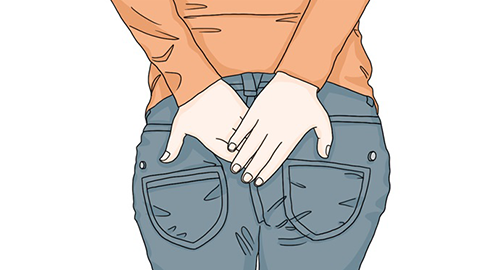
Avoid all external irritants—including scalding hot water, vigorous scratching, excessive scrubbing, and allergenic materials such as fur products. Also avoid consumption of allergenic or irritating foods, including fish, shellfish, strong tea, coffee, and alcoholic beverages. Provide patients with detailed education on protective measures, proper medication use, and close collaboration with healthcare providers to maximize patient engagement and self-management.

Maintain local perianal cleanliness—especially during summer months when moisture accumulation is more likely. Cultivate consistent habits of perianal hygiene and ensure the perianal area remains dry. We hope this information proves helpful to you.





