


What should I do if I frequently experience nosebleeds with allergic rhinitis?
Aug 12, 2022
Source: Cainiu Health

Dr. Xu Gang
Introduction
Allergic rhinitis is characterized by significant nasal congestion and frequent, consecutive sneezing. Patients—especially when straining—may experience rupture of the nasal mucosa, leading to mucosal atrophy and an increased susceptibility to epistaxis (nosebleeds). It is recommended to avoid repeatedly picking the nose with fingers; active treatment is essential. Under a physician’s guidance, patients may take oral ketotifen tablets or ebastine tablets to alleviate symptoms. With appropriate management, allergic rhinitis can be improved, thereby reducing the frequency of epistaxis.
Allergic rhinitis can cause significant discomfort, especially when accompanied by epistaxis (nosebleeds), which may provoke anxiety or panic. So, what should one do if nosebleeds occur frequently in allergic rhinitis?
What to Do When Nosebleeds Occur Frequently in Allergic Rhinitis
Nasal congestion is prominent in allergic rhinitis, often accompanied by repeated sneezing. Excessive force—such as during nose-blowing or nose-picking—can cause rupture of the nasal mucosa, which is already weakened in affected individuals, thereby increasing susceptibility to epistaxis. It is advisable to avoid frequent nose-picking and to seek active treatment. Under a physician’s guidance, patients may take oral ketotifen tablets or ebastine tablets to alleviate symptoms. Appropriate management helps improve allergic rhinitis and reduce the frequency of nosebleeds.

Additionally, when epistaxis occurs frequently in allergic rhinitis, immediate hemostasis is essential to prevent blood from being swallowed. Gently pressing the soft, central portion of the nasal septum (the “nasal sidewall”) typically achieves rapid hemostasis. Alternatively, applying cold water or a cold, damp towel to the forehead or nape of the neck promotes vasoconstriction and helps reduce bleeding. After bleeding has stopped, promptly clean the nasal cavity—ideally using antiseptic saline solution to remove blood clots and debris.
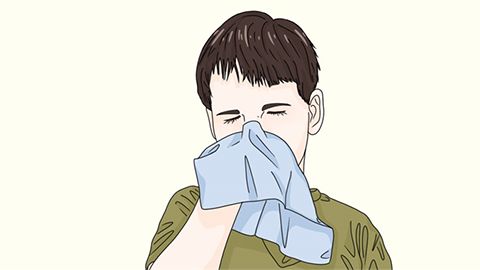
Patients with allergic rhinitis who experience recurrent epistaxis should practice diligent daily self-care and adopt healthy lifestyle habits. Avoid spicy or irritating foods. When experiencing any discomfort, refrain from rubbing or washing the nose excessively, as this may worsen symptoms and increase both the frequency and volume of bleeding. Seek prompt medical attention if epistaxis becomes more frequent or severe. We hope this information proves helpful!



