Can echocardiography detect coronary artery disease?
Aug 14, 2022
Source: Cainiu Health

Dr. Li Man
Introduction
Color Doppler echocardiography can be used to evaluate coronary artery disease (CAD). For CAD assessment, it provides a direct visualization of myocardial motion and cardiac function. Abnormal wall motion is often associated with myocardial ischemia and can help clinicians localize the ischemic region. Color Doppler echocardiography is currently one of the most important diagnostic tools for cardiovascular diseases; physicians can use it to assess valvular heart disease.
Coronary heart disease (CHD) is an atherosclerotic disorder affecting the coronary arteries. Its primary treatment modalities include stent placement, coronary artery bypass grafting (CABG), and pharmacotherapy. Treatment selection should be individualized based on each patient’s specific clinical condition. So, can echocardiography detect coronary heart disease?
Can echocardiography detect coronary heart disease?
Echocardiography can aid in the diagnosis of coronary heart disease. For CHD evaluation, echocardiography provides direct visualization of myocardial motion and cardiac function. Abnormal wall motion is often associated with myocardial ischemia and may help clinicians localize the ischemic region. Echocardiography is currently one of the most important diagnostic tools for cardiovascular diseases. Using color Doppler echocardiography, physicians can assess the severity of valvular heart disease—such as tricuspid regurgitation, aortic stenosis with regurgitation, or mitral insufficiency—to determine whether conservative management or surgical intervention is warranted.
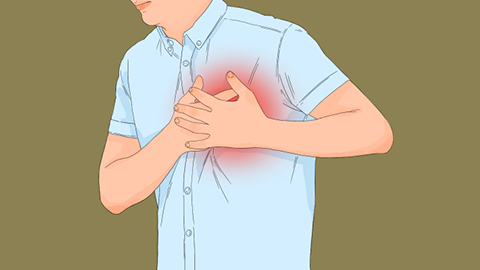
Patients with coronary heart disease should adhere to a low-fat, low-salt, and low-cholesterol diet on weekdays. Total daily salt intake should not exceed 6 grams. Saturated fatty acids should be minimized, while intake of unsaturated fatty acids should be increased. Saturated fatty acids are predominantly found in animal fats, organ meats, and fatty cuts of meat; unsaturated fatty acids are abundant in plant-based oils such as salad oil and olive oil. Additionally, patients should avoid pickled, smoked, and deep-fried foods, and instead consume more fresh fruits and vegetables.

Patients should quit smoking and abstain from alcohol, and maintain regular physical activity during weekdays—ideally exercising at least three to four times per week for no less than 30 minutes per session. We hope this information proves helpful to you.