Can echocardiography detect coronary artery disease?
Aug 24, 2022
Source: Cainiu Health

Dr. Li Man
Introduction
Color Doppler echocardiography cannot diagnose coronary artery disease (CAD). First, this imaging modality is primarily used to evaluate the heart’s internal structure and hemodynamic changes. It cannot assess blood flow alterations in the coronary arteries—such as changes at the origin of the left main coronary artery—that are characteristic of CAD. Although echocardiography may detect stenosis, it is not a diagnostic tool for CAD; rather, it serves only as an ancillary examination in the evaluation of CAD.
The heart is the most vital organ in the human body. Its primary function is to pump blood, playing a crucial role in sustaining human life. Once cardiac function is impaired, severe systemic consequences may ensue. Generally speaking, myocardial ischemia refers to reduced coronary blood flow, leading to inadequate myocardial perfusion, abnormal myocardial metabolism, and ultimately, failure to support normal cardiac function. So, can echocardiography (color Doppler ultrasound of the heart) detect coronary artery disease (CAD)?
Can echocardiography detect coronary artery disease?
Echocardiography cannot directly diagnose coronary artery disease. First, color Doppler echocardiography primarily assesses the heart’s internal anatomy and intracardiac blood flow dynamics. It cannot evaluate changes in coronary arterial blood flow—such as alterations at the origin of the left main coronary artery. While echocardiography may detect stenosis-related functional abnormalities, it is not a definitive diagnostic tool for CAD; rather, it serves only as an adjunctive examination. Echocardiographic abnormalities—such as regional wall motion abnormalities or structural changes—typically become apparent only after severe coronary occlusion has resulted in myocardial infarction and consequent impairment of myocardial contractility in the affected region.
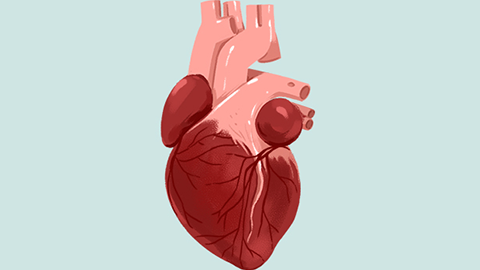
Such findings may suggest severe myocardial ischemia and necrosis, allowing for certain inferences. For instance, cardiac enlargement is not necessarily attributable to ischemic dilated cardiomyopathy—it could instead stem from non-ischemic dilated cardiomyopathy. Therefore, color Doppler echocardiography cannot definitively diagnose CAD, nor can it reliably detect early- or mild-stage CAD. Coronary angiography remains the gold standard for diagnosing CAD.

In daily life, maintain a regular, balanced diet—avoid spicy, irritating, or excessively rich foods, and refrain from binge eating or staying up late. We hope this information proves helpful to you.