


Does cervical hypertrophy require treatment?
Aug 14, 2022
Source: Cainiu Health

Dr. Chen Zhe
Introduction
In general, cervical hypertrophy does not require treatment. Cervical hypertrophy refers to an enlargement of the cervix beyond its normal size and is one of the manifestations of chronic cervicitis. It is primarily caused by long-term chronic inflammation, leading to cervical tissue hyperplasia and deep cervical glandular cysts. The majority of patients with cervical hypertrophy do not require treatment. However, for some patients experiencing increased vaginal discharge…
Cervical atrophy or cervical hypertrophy is not a normal phenomenon. In real life, many women experience cervical hypertrophy. Most cases result from chronic inflammation caused by long-term irritation, which may lead to symptoms such as increased vaginal discharge and warrant sufficient attention. So, does cervical hypertrophy require treatment?
Does cervical hypertrophy require treatment?
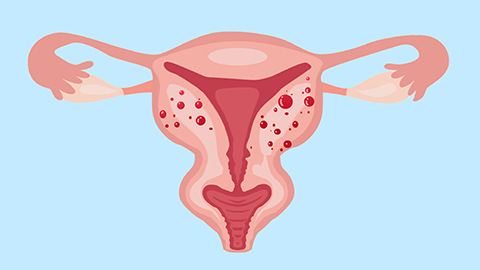
In general, cervical hypertrophy does not require specific treatment. Cervical hypertrophy refers to an enlargement of the cervix beyond its normal size and is one manifestation of chronic cervicitis. It is primarily caused by long-standing chronic inflammation, leading to cervical tissue hyperplasia and deep cervical glandular cysts. The majority of patients with cervical hypertrophy do not require treatment. However, for patients presenting symptoms such as increased vaginal discharge, yellowish discharge, or mucoid secretions, symptomatic treatment is warranted. Additionally, all patients with cervical hypertrophy should undergo cervical cancer screening (e.g., Pap smear) and HPV testing to rule out organic cervical lesions and determine whether treatment is necessary.

If surgical treatment is performed, patients typically experience substantial postoperative vaginal discharge; therefore, meticulous external genital hygiene is essential—washing the external genitalia daily with warm water is recommended. Simultaneously, sanitary pads and undergarments should be changed frequently to prevent infection and support optimal postoperative recovery. Even after surgical intervention, patients with cervical hypertrophy must not neglect follow-up care; regular hospital visits for复查 (follow-up examinations) are crucial to assess wound healing. Any abnormalities detected during follow-up must be addressed promptly.
Should disease-related symptoms arise in daily life, patients must seek timely medical evaluation and actively cooperate with their physicians’ treatment plans. We hope this information proves helpful to you.



