


How is uterine compression of the bladder treated?
May 21, 2026
Source: Cainiu Health

Dr. Zhang Lu
Introduction
In general, uterine compression of the bladder may result from physiological or pathological conditions such as uterine enlargement during pregnancy, uterine congestion during menstruation, uterine leiomyomas (fibroids), adenomyosis, or intrauterine fluid accumulation. Depending on the underlying cause and clinical presentation, patients may opt for conservative management, pharmacotherapy, or surgical intervention to alleviate symptoms. In daily life, it is essential to establish regular urination habits and avoid prolonged urinary retention.
Under normal circumstances, bladder compression by the uterus may result from various causes, including uterine enlargement during pregnancy, uterine congestion during menstruation, uterine fibroids, adenomyosis, or intrauterine fluid accumulation. Patients may choose among general measures, pharmacological treatment, or surgical intervention based on their individual condition. A detailed analysis follows:
1. Uterine Enlargement During Pregnancy
During pregnancy, progressive embryonic development leads to gradual uterine expansion. The enlarging uterus exerts anterior pressure on the adjacent bladder, reducing its urinary storage capacity and causing urinary frequency and urgency. To alleviate symptoms, avoid prolonged sitting or standing; drink small amounts of water frequently; empty the bladder promptly; and rest in bed appropriately to reduce pelvic pressure.
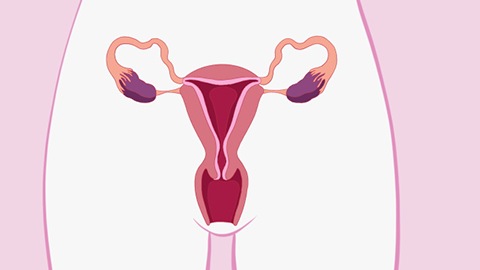
2. Uterine Congestion During Menstruation
Prior to and during menstruation, the uterus becomes congested and edematous, with mild volume increase, resulting in transient, mild bladder compression and brief urinary dysfunction. Maintain warmth over the lower abdomen, follow a light diet, avoid urine retention, and symptoms typically resolve spontaneously after menstruation ends.
3. Uterine Fibroids
Anterior uterine wall fibroids cause overall uterine enlargement, directly compressing the bladder and leading to frequent urination. Under medical guidance, medications such as mifepristone tablets, Guizhi Fuling capsules, or Gongliu Xiao capsules may be prescribed. For large fibroids, laparoscopic myomectomy is indicated.
4. Adenomyosis
Diffuse thickening of the myometrium and generalized uterine enlargement lead to persistent bladder compression and associated urinary discomfort. As directed by a physician, medications such as dydrogesterone tablets, norethisterone tablets, or Sanjie Zhen Tong capsules may be used. In severe cases, laparoscopic excision of adenomyotic lesions is required.
5. Intrauterine Fluid Accumulation
Accumulation of fluid within the uterine cavity causes uterine distension, thereby compressing the bladder and inducing urinary abnormalities. Under medical supervision, antibiotics such as cefalexin capsules or amoxicillin capsules, along with Jinguangteng soft capsules, may be administered. When fluid accumulation is substantial, intrauterine fluid drainage is necessary.
In daily life, establish regular voiding habits and avoid chronic urine retention. Maintain emotional stability, adhere to consistent sleep-wake cycles, and support endocrine balance. Practice good perineal hygiene to prevent gynecological inflammation, which may trigger uterine congestion and swelling. Undergo routine gynecological ultrasound examinations to detect and intervene early in uterine abnormalities, thereby minimizing recurrent bladder compression symptoms.



