


What Are the Symptoms of Uterine Cysts?
Aug 14, 2022
Source: Cainiu Health

Dr. Chen Zhe
Introduction
Uterine cysts may present as palpable masses. Patients sometimes experience lower abdominal pain and a noticeable mass in the lower abdomen. They may also develop bloating or dull pain in the lower abdomen, or low back pain—typically mild to moderate in severity. When dysmenorrhea is severe and progressively worsening, uterine cysts may coexist with conditions such as adenomyosis or endometriosis, posing risks to the patient’s health.
It is widely known that uterine cysts pose significant health risks to women; however, many are unaware of the specific symptoms associated with them. So, what symptoms do uterine cysts cause?
Symptoms of Uterine Cysts
Uterine cysts may present as palpable masses. Patients sometimes experience lower abdominal pain or notice a distinct mass in the lower abdomen. Additional symptoms may include a sensation of pressure or dull aching in the lower abdomen or lower back—typically mild in severity. Severe, progressively worsening dysmenorrhea may indicate coexisting conditions such as adenomyosis or endometriosis, further compromising the patient’s health. Most patients with uterine cysts present with a lower abdominal mass, which may occasionally be the sole manifestation of a leiomyoma (uterine fibroid). This mass is typically palpable in the mid-lower abdomen, feels firm, and often has an irregular contour consistent with a fibroid. Rapid growth or accompanying vague pain warrants suspicion of malignant transformation.
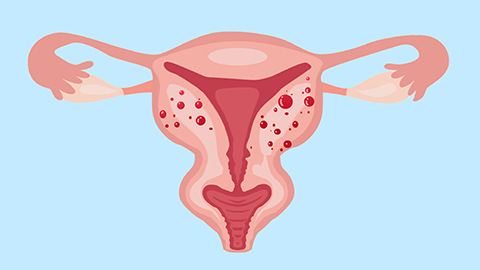
Compression-related symptoms are also characteristic of uterine cysts. Patients commonly report a pronounced sensation of pressure. Cervical or lower uterine segment leiomyomas—especially when enlarged—can fill the pelvic cavity and compress adjacent organs. Bladder compression may lead to urinary frequency, dysuria, or urinary retention.
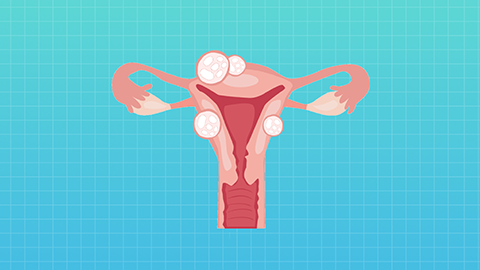
Uterine cysts may also cause constipation and lower-limb edema. Furthermore, infertility is common among affected women—and may even be the primary reason for seeking medical evaluation, during which uterine cysts are subsequently identified. These patients also face a higher risk of spontaneous abortion compared with the general population. Symptoms of uterine cysts are often quite apparent; thus, women experiencing any of these signs should promptly seek medical evaluation. We hope this article has been helpful. Wishing you a joyful life and optimal health!



