


What is the normal heart rate for a 60-year-old?
Aug 19, 2022
Source: Cainiu Health

Dr. Li Man
Introduction
A normal resting heart rate for a 60-year-old remains 61–100 beats per minute (bpm). Although this is the standard reference range, for patients in their 60s, it is advisable to maintain a somewhat slower heart rate. The ideal target is 55–60 bpm. If the heart rate is no lower than 50 bpm and the patient experiences no significant symptoms—such as chest tightness or dizziness—no specific intervention is typically required.
During routine physical examinations, blood pressure and heart rate are mandatory measurements. For individuals aged 60 years and older, what is the normal resting heart rate?
What Is the Normal Resting Heart Rate for a 60-Year-Old?
The normal resting heart rate for a 60-year-old remains 61–100 beats per minute (bpm). Although this range represents the standard reference, for patients over age 60, it is generally advisable to aim for a slightly lower resting heart rate. An ideal target is 55–60 bpm, as this may help reduce the risk of symptoms such as angina pectoris or heart failure. Moreover, if the heart rate remains above 50 bpm and no significant symptoms—such as chest tightness, palpitations, or dizziness—are present, specific intervention is typically unnecessary.

Heart rate is influenced by numerous factors. For instance, it decreases significantly during rest and sleep, while increasing during physical activity, emotional stress, anxiety, or exposure to extreme ambient temperatures. Additionally, certain medications or medical conditions—including arrhythmias, hyperthyroidism, and anemia—can also elevate heart rate.
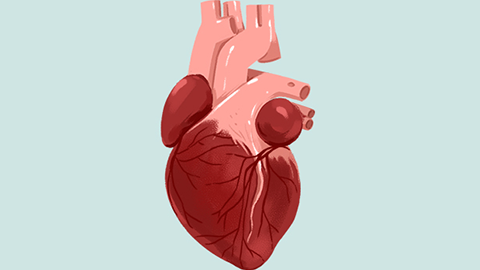
Furthermore, if bradycardia (abnormally slow heart rate) or tachycardia (abnormally fast heart rate) occurs, prompt medical evaluation and active treatment are recommended. Patients should prioritize adequate rest, engage in appropriate physical exercise, maintain an optimistic outlook, and avoid spicy or irritating foods. Such comprehensive lifestyle adjustments contribute significantly to effective management and recovery. We hope this information is helpful to you! Wishing you excellent health and a joyful life!







