


Normal blood pressure range for 60-year-olds
Dec 29, 2022
Source: Cainiu Health

Dr. Tian Hongbo
Introduction
For a 60-year-old, the normal blood pressure range is systolic 99–139 mmHg and diastolic 69–89 mmHg. Systolic pressure between 139–149 mmHg and diastolic pressure between 84–89 mmHg is considered high normal. Systolic pressure above 142 mmHg or diastolic pressure above 99 mmHg indicates hypertension. According to current age classification standards, 60 years old is categorized as elderly.
The normal blood pressure range for 60-year-olds is generally a systolic pressure of 99–139 mmHg and a diastolic pressure of 69–89 mmHg. A systolic pressure of 139–149 mmHg and a diastolic pressure of 84–89 mmHg is considered high normal. Systolic pressure above 142 mmHg or diastolic pressure above 89 mmHg indicates hypertension.
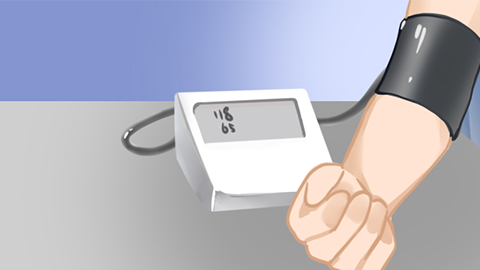
Blood pressure is the primary force driving blood flow within blood vessels. When the ventricles contract, blood is pumped from the heart into the arteries. At this point, the pressure exerted on the vessel walls is at its highest, known as systolic pressure, or "high pressure." During ventricular relaxation, the elastic recoil of arterial walls allows blood to continue flowing forward slowly, but overall pressure decreases. This lower pressure is called diastolic pressure, or "low pressure." The normal blood pressure range for 60-year-olds is typically a systolic pressure of 99–139 mmHg and a diastolic pressure of 69–89 mmHg.
It is recommended to develop healthy lifestyle habits, including a low-salt, low-fat diet, moderate physical activity, going to bed early and waking up early, and avoiding staying up late. Pay attention to self-care in daily life to enhance resistance and immunity, maintain balanced nutrition, and be mindful of dietary choices. Eat light meals and avoid spicy or irritating foods such as garlic, hot pot, wasabi, etc. Ensure adequate rest and avoid excessive fatigue, which may negatively affect health.
It is advisable to engage in appropriate physical activities such as walking or jogging according to individual conditions, which can help strengthen the body's resistance, promote stable blood pressure, and support recovery.







