Normal Blood Pressure Range for Middle-Aged Women
Aug 20, 2022
Source: Cainiu Health

Dr. Li Man
Introduction
A middle-aged woman’s normal blood pressure should range between 90–140 mmHg (systolic) and 60–90 mmHg (diastolic). Blood pressure within this range is considered normal. Although blood pressure gradually increases with age, it remains within the normal range. Hypertension is diagnosed when blood pressure exceeds this range; conversely, hypotension is diagnosed when blood pressure falls below this range.
Health-conscious eating is widely emphasized today, yet many individuals remain highly selective or picky eaters. Such dietary habits often lead to elevated cholesterol and fat levels in the body, resulting in increasingly viscous blood. During circulation, this thickened blood can irritate the vascular walls, contributing to hypertension in numerous individuals. So, what constitutes the normal blood pressure range for middle-aged women?
Normal Blood Pressure Range for Middle-Aged Women
For middle-aged women, the normal blood pressure range is systolic pressure between 90–140 mmHg and diastolic pressure between 60–90 mmHg. Blood pressure values falling within these ranges are considered normal. While blood pressure tends to rise gradually with age, such increases typically remain within the normal range. A diagnosis of hypertension is made when blood pressure consistently exceeds these upper limits; conversely, readings below these lower limits indicate hypotension.

Moreover, the normal blood pressure range applies equally to both men and women, and serves as the standard for all adult age groups. However, if blood pressure temporarily exceeds these thresholds but quickly returns to normal, it does not constitute hypertension. Numerous factors—including emotional stress, physical activity, and others—can cause transient fluctuations in blood pressure. Similarly, during deep sleep, blood pressure may fall below the stated normal range.
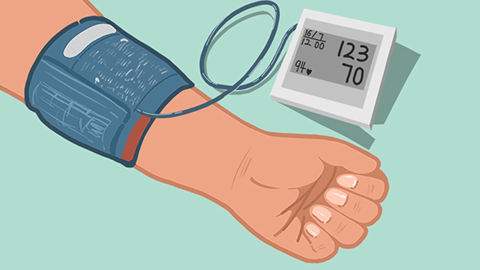
Pay attention to daily dietary hygiene. Individuals with hypertension should moderately limit intake of high-fat and high-cholesterol foods, whereas those with hypotension may benefit from consuming high-quality protein sources. Regular blood pressure monitoring and appropriate medication—tailored to individual symptoms—are essential. We hope this information proves helpful! Wishing you excellent health and a joyful life!