Foods that promote lactation
Aug 24, 2022
Source: Cainiu Health

Dr. Lv Aiming
Introduction
Practice on-demand breastfeeding, ensure proper breastfeeding posture, avoid smoking and alcohol consumption, refrain from taking medications that may affect milk production, and get adequate sleep. Additionally, infant suckling stimulates the body’s natural production of prolactin, thereby enhancing milk supply and promoting lactation. We hope this response is helpful to you. Wishing you good health and a joyful life!
Many new mothers experience insufficient breast milk production after childbirth, causing their babies to become particularly fussy and anxious. As a result, many turn to dietary adjustments to enhance lactation—what foods can help increase milk supply?
Foods That Support Lactation
Postpartum women may benefit from consuming nourishing soups such as chicken soup, crucian carp soup, pig trotter soup, and other fish-based broths, all of which are traditionally regarded as effective for promoting milk production and improving milk quality. Additionally, frequent and effective breastfeeding—allowing the baby to nurse often and latch properly—stimulates the body’s natural secretion of prolactin, thereby gradually increasing milk volume. Breast milk is a baby’s natural source of nutrition. Following delivery, hormonal changes—particularly a sustained rise in prolactin levels—support lactation. Therefore, postpartum women should ensure adequate nutritional intake to maintain both sufficient milk volume and optimal milk quality. Prior to each feeding, gently cleansing the nipple and areola with warm water helps maintain hygiene and ensures a clean, safe feeding environment for the infant.

Lactation after childbirth is a normal physiological process; however, milk output varies significantly depending on individual constitution, physical condition, and psychological factors—including stress, anxiety, or depression. Thus, maintaining emotional well-being and avoiding negative mental states is essential during the postpartum period.
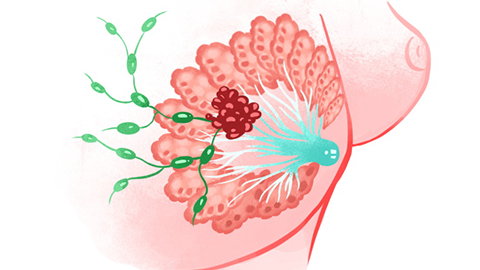
Mothers should practice responsive (on-demand) breastfeeding, ensure proper latching and feeding posture, avoid smoking and alcohol consumption, refrain from medications that may impair lactation, and prioritize sufficient rest and sleep. Furthermore, infant suckling itself promotes endogenous prolactin synthesis, thereby enhancing milk production—a natural and effective galactagogue effect. We hope this information proves helpful!