


What are the potential drawbacks of circumcision in men?
Aug 24, 2022
Source: Cainiu Health

Dr. Li Mingchuan
Introduction
Phimosis is an absolute indication for circumcision, as it exerts several adverse effects on the body. Due to phimosis, smegma accumulates between the glans penis and the prepuce; prolonged irritation from this accumulation may lead to preputial calculi, balanoposthitis, leukoplakia of the prepuce, and even penile cancer. Moreover, because debris and secretions readily accumulate in this area, the risk of sexually transmitted infections is also increased.
Phimosis is a common condition among many men in daily life. Circumcision is an effective treatment for phimosis; however, what are the potential drawbacks of circumcision for men?
What Are the Potential Drawbacks of Circumcision for Men?
Phimosis is an absolute indication for circumcision. This condition exerts several adverse effects on health. Due to phimosis, smegma accumulates between the glans penis and the foreskin. Prolonged irritation from smegma may lead to complications such as phimotic calcifications (preputial stones), balanoposthitis, leukoplakia of the prepuce, and even penile cancer. Moreover, the accumulation of debris in this area increases susceptibility to sexually transmitted infections. Phimosis can also impair sexual function, contributing to persistent premature ejaculation. Additionally, because the foreskin completely envelops the glans, it may diminish penile sensation and potentially contribute to erectile dysfunction.
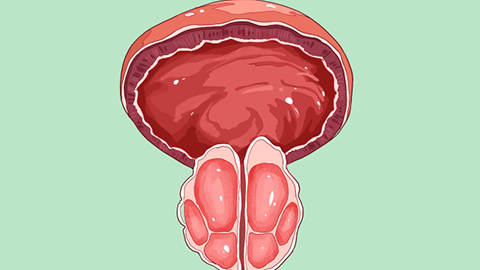
The potential adverse effects associated with circumcision stem primarily from the fact that, in cases of longstanding phimosis, the glans has been chronically shielded from external stimulation by the foreskin. Immediately following surgery, the newly exposed glans may be overly sensitive, causing local discomfort or friction-related irritation, and may temporarily result in premature ejaculation during sexual intercourse. Furthermore, if the suture line is placed too tightly, it may cause pain during intercourse.
Phimosis may also adversely affect female partners. Local smegma accumulation can irritate the vaginal mucosa, potentially leading to vaginitis and, in some cases, even cervical cancer. Therefore, performing circumcision to resolve phimosis confers significant health benefits to both men and their partners. We hope this information proves helpful to you!






