Distinguishing Rotator Cuff Injury from Adhesive Capsulitis
Aug 24, 2022
Source: Cainiu Health

Dr. Lin Yunfei
Introduction
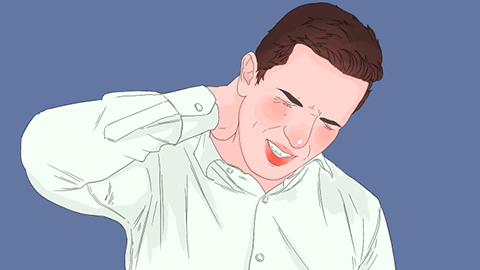
The key difference between rotator cuff injury and adhesive capsulitis (frozen shoulder) lies in the fact that a rotator cuff injury does not heal spontaneously. Although both conditions present with pain, patients with a rotator cuff injury experience impaired shoulder joint mobility, and pain becomes particularly pronounced during movement. In contrast, patients with adhesive capsulitis typically experience sudden, severe pain—especially at night—and pain is notably exacerbated during shoulder stretching or extension.
Frozen shoulder (adhesive capsulitis) is a common condition encountered in daily life. During flare-ups, it causes severe, debilitating pain. So, what are the differences between rotator cuff injury and frozen shoulder?
Differences Between Rotator Cuff Injury and Frozen Shoulder
The key distinction lies in the fact that rotator cuff injuries do not heal spontaneously. Although both conditions present with pain, patients with rotator cuff injuries experience impaired shoulder joint mobility, and pain typically intensifies during movement. In contrast, patients with frozen shoulder often report more pronounced pain at night and during shoulder stretching or extension.

Frozen shoulder generally resolves spontaneously with appropriate physical therapy and exercise. For mild cases, patients may, under medical guidance, use anti-inflammatory and analgesic medications—such as aspirin—to alleviate pain. In contrast, because the precise pathogenesis and etiology of rotator cuff injury remain unclear, there is currently no established causative treatment. Clinically, conservative management is employed to relieve symptoms. Patients with severe pain may, under physician supervision, take oral meloxicam or other analgesics. Topical agents with analgesic and anti-edematous properties may also be used. Additionally, surgical intervention is an option for treating rotator cuff injury.
During treatment for either condition, patients should maintain a light, bland diet—avoiding spicy and cold foods—and consume ample fruits and vegetables to ensure adequate vitamin intake. Drinking warm water regularly helps promote metabolism. Strenuous physical activity should be avoided, and adequate sleep is essential—no late-night熬夜. We hope this information proves helpful!