


What should I do if I get a nosebleed from picking my nose?
Aug 24, 2022
Source: Cainiu Health

Dr. Xu Gang
Introduction
Nosebleeds during nose-picking: It is recommended to firmly pinch the nostrils with both hands for 3–5 minutes; bleeding usually stops within this time. However, for individuals with hypertension, diabetes, or other blood disorders, this method may be less effective, and medical evaluation at a hospital is advised. Strict control of blood pressure and blood glucose levels is essential to maintain vascular elasticity and prevent prolonged or recurrent bleeding. Avoid picking the nose with fingers, as fingernails can be sharp and cause injury.
The nose is a three-dimensional structure among the five senses and is therefore highly susceptible to foreign bodies, which may lead to epistaxis (nosebleeds). Prompt and appropriate management is essential; otherwise, bleeding may become severe.
What to Do When Nosebleed Occurs After Nose-Picking
If nosebleeding occurs during nose-picking, it is recommended to firmly pinch both nostrils with your fingers for 3–5 minutes—this usually stops the bleeding. However, for individuals with underlying conditions such as hypertension, diabetes, or other hematologic disorders, this method may be less effective; medical evaluation and treatment at a hospital are advised. Strict control of blood pressure and blood glucose levels is crucial to maintain vascular elasticity and prevent prolonged or recurrent epistaxis. Avoid picking the nose with fingernails, as they are sharp and may harbor bacteria in the nail crevices—this can easily damage the nasal mucosa and introduce pathogens into the nasal cavity.

To prevent epistaxis, maintaining adequate moisture of the nasal mucosa is paramount. Regular nasal irrigation with isotonic saline solution is effective. Alternatively, applying compound menthol nasal drops can help maintain optimal lubrication. Patients may also benefit from increasing dietary intake of vitamin C and vitamin E, which support vascular integrity and reduce fragility. Vigorous nose-twisting or manipulation should be avoided, as it may trigger bleeding.
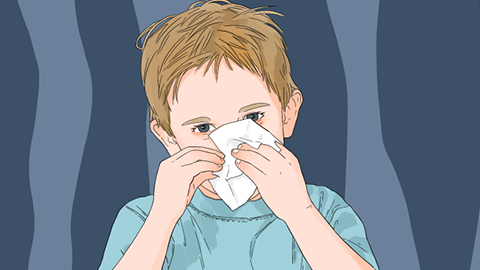
For children presenting with abundant dry crusts in the nasal cavity, saline nasal rinses are recommended. If symptoms persist or worsen, further evaluation by a healthcare professional is advised to identify any underlying causes. We hope this information is helpful.



