


What should I do if my nose is bleeding?
Aug 24, 2022
Source: Cainiu Health

Dr. Xu Gang
Introduction
Nosebleeds (epistaxis) may be managed with appropriate physical interventions. For instance, applying cold compresses to both sides of the nasal wings can constrict blood vessels and help stop bleeding. If bleeding occurs from only one nostril, elevating the contralateral upper limb may assist in hemostasis. When both nostrils bleed simultaneously, both upper limbs should be elevated. If nosebleeds are severe or recurrent, it is advisable to seek evaluation at a reputable hospital.
Nosebleeds (epistaxis) are a common occurrence in daily life—especially among children, who may experience them frequently. There are numerous potential causes for this symptom. So, what should you do when experiencing a nosebleed?
What to Do During a Nosebleed
When a nosebleed occurs, it is advisable to first try simple physical measures. For example, applying cold compresses to both sides of the nostrils helps constrict blood vessels and thereby stops bleeding. If bleeding originates from only one nostril, elevating the opposite arm may assist in controlling the bleed. When both nostrils are bleeding simultaneously, elevate both arms. Generally, nasal packing (i.e., occluding the nostrils with gauze or similar materials) is not recommended as a first-line measure. If the nosebleed is severe or recurrent, consult an otolaryngologist (ENT specialist) at a reputable hospital and follow their medical advice for treatment.

After a nosebleed begins, avoid lying flat on your back immediately, as this may cause blood to flow backward through the nasopharynx into the esophagus. Instead, sit upright or adopt a semi-reclined position to maintain airway patency and prevent blood from draining from the nasal cavity into the mouth. Gently pinch the soft part of the nose (the nasal bridge) with both hands and hold for several minutes. You will typically observe noticeable hemostasis within one to two minutes. Additionally, applying a cold towel (soaked in cold water) to the forehead may also help control bleeding.
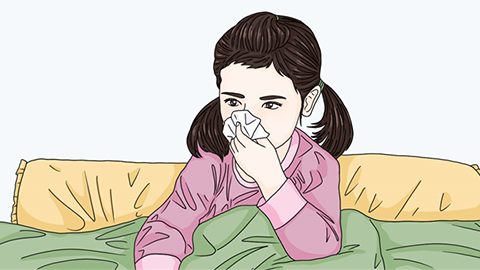
During recovery from a nosebleed, maintain a light, bland diet and ensure adequate intake of vitamins known to support hemostasis—particularly vitamins A, E, and C—by consuming plenty of fresh fruits and vegetables. We hope this information proves helpful. Wishing you good health and happiness!



