


How long does tinnitus last after sudden sensorineural hearing loss?
Aug 24, 2022
Source: Cainiu Health

Dr. Jiang Weimin
Introduction
Sudden sensorineural hearing loss and tinnitus typically improve or resolve within several months to half a year following evidence-based treatment. However, this timeframe is not fixed and varies depending on the individual patient’s condition. Patients commonly perceive abnormal noises: initially, these are intermittent, high-pitched sounds—sometimes affecting only one ear. Over time, the tinnitus often becomes persistent and bilateral, and most patients also experience subjective cranial (intracranial) sounds.
Some patients suddenly experience hearing loss, followed by tinnitus—ringing or buzzing sounds in the ears—causing significant psychological distress. How long does tinnitus persist after sudden sensorineural hearing loss (SSNHL)?
How long does tinnitus last after sudden sensorineural hearing loss?
With appropriate, evidence-based treatment, tinnitus associated with sudden sensorineural hearing loss typically improves or resolves within several months to six months. However, this timeframe is not fixed and varies depending on the severity and individual characteristics of each patient. Patients often perceive background noise. Initially, the tinnitus may be intermittent and high-pitched, sometimes affecting only one ear.

Over time, it may progress to persistent bilateral tinnitus. Many patients also report a sensation of “head noise” (e.g., roaring or hissing perceived internally). Difficulty concentrating on auditory input is another common symptom of SSNHL-related tinnitus. For instance, some patients find it challenging to focus during conversations with others. Due to diminished hearing sensitivity, most patients with SSNHL-related tinnitus habitually cup their hands behind their ears to amplify sound. When watching television or listening to the radio, they frequently increase the volume to levels that would be uncomfortably loud for individuals with normal hearing.
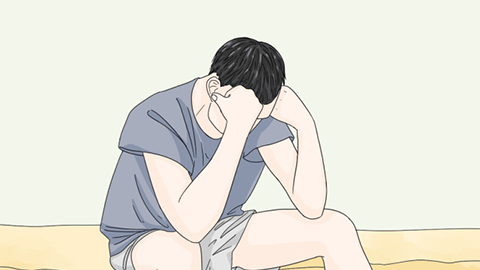
Patients with tinnitus secondary to sudden sensorineural hearing loss often change topics during conversations or ask others to repeat themselves. During phone calls, they may request that the speaker raise their voice. They also tend to speak loudly themselves—regardless of context—out of concern that others might not hear them. We hope this information is helpful to you!




