


What Causes Nosebleeds?
Aug 24, 2022
Source: Cainiu Health

Dr. Xu Gang
Introduction
Nosebleeds may be caused by “excessive internal heat” (a traditional Chinese medicine concept). When patients experience excessive internal heat, nosebleeds can occur. Consuming spicy or stimulating foods without dietary caution easily triggers internal heat, leading to nosebleeds. Similarly, avoiding plain boiled water and neglecting adequate hydration can also readily cause internal heat and subsequent nosebleeds. Additionally, during the dry autumn and winter seasons, excessively dry air—especially without timely humidification—can also result in epistaxis (nosebleeds).
Nosebleeds (epistaxis) are a relatively common condition in daily life. Because of this, many people promptly seek medical evaluation upon experiencing a nosebleed. However, some individuals underestimate the significance of nosebleeds, leading to delayed diagnosis and increased treatment difficulty later on. So, what causes nosebleeds?
What Causes Nosebleeds?
Nosebleeds may result from “excess internal heat” (a traditional Chinese medicine concept). When a person experiences excessive internal heat, nosebleeds can occur. Consuming spicy or stimulating foods without moderation easily triggers internal heat, thereby increasing the risk of epistaxis. Similarly, insufficient water intake—such as avoiding plain boiled water—can also contribute to internal heat and subsequent nosebleeds. Moreover, during the dry autumn and winter seasons, excessively dry air—especially without timely humidification—can provoke nosebleeds, often making them more severe.
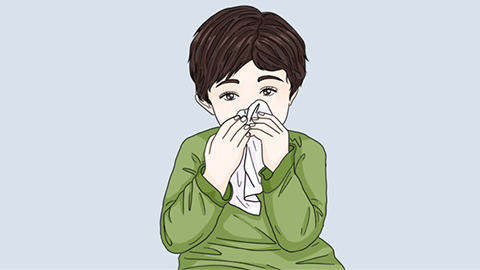
Patients experiencing nosebleeds should avoid consuming vegetables such as garlic, onions, ginger, green peppers, and chili peppers. They should also avoid fruits prone to inducing internal heat, including longan, lychee, and mangoes. Additionally, warming or nourishing supplements—such as ginseng and bird’s nest—should be avoided. Seafood should likewise be limited, as it may trigger nosebleeds in susceptible individuals. Highly greasy foods—including fried items—should be minimized, as they can exacerbate internal heat and bleeding. Red meats such as dog meat and mutton should also be avoided, as they are considered heat-inducing and may provoke epistaxis.

When nosebleed symptoms occur, patients should seek prompt medical attention to prevent worsening of the condition. We hope this information is helpful to you.



