


Cochlear Nerve Section for Tinnitus Treatment
Aug 24, 2022
Source: Cainiu Health

Dr. Xu Gang
Introduction
It is not possible to treat tinnitus by cutting the cochlear nerve. Patients with tinnitus should first undergo a series of diagnostic tests. Common causes include otolith disorders, Ménière’s disease, neural tinnitus, or tinnitus secondary to chronic otitis media—none of which require sectioning of the cochlear nerve. Only one condition—pulsatile tinnitus—may necessitate vascular ligation for definitive treatment.
Tinnitus is a common symptom of otologic disorders. Patients perceive noises of varying loudness within the ear. High-pitched tinnitus can be distressing, significantly interfering with sleep and work performance. So, can cochlear nerve section be used to treat tinnitus?
Cochlear Nerve Section for Tinnitus Treatment
Cochlear nerve section is not a viable treatment for tinnitus. Patients with tinnitus should first undergo a series of diagnostic evaluations. Common underlying causes include otolith disorders, Ménière’s disease, neural (sensorineural) tinnitus, or tinnitus secondary to chronic otitis media—none of which require cochlear nerve section. Only one specific type—pulsatile tinnitus—may necessitate surgical intervention, typically involving vascular ligation for definitive cure.
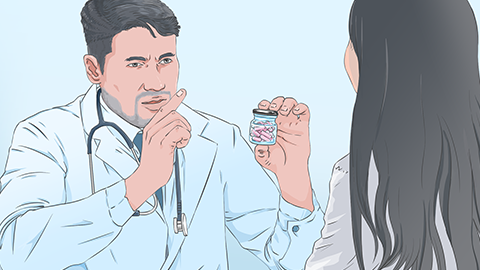
Neural (sensorineural) tinnitus is a prevalent otologic condition. Its primary manifestations include subjective tinnitus (perceived abnormal sounds), hearing loss, and headache. Patients should seek prompt evaluation at a qualified medical facility and receive targeted treatment accordingly. Medications such as doxepin and sulbactam–cefoperazone have demonstrated efficacy in managing neural tinnitus; however, they must be administered strictly as prescribed by a physician. Conservative pharmacotherapy remains the mainstay for neural tinnitus and may include ginkgo biloba extract tablets, citicoline sodium capsules, coenzyme A, or methylcobalamin dispersible tablets.

In daily life, patients should take care to protect their ears: avoid staying up late, minimize exposure to excessively noisy environments, and prevent exacerbation of tinnitus. Should tinnitus symptoms arise, timely consultation at an accredited hospital is essential to prevent progressive hearing deterioration or even deafness. We hope this information proves helpful. Wishing you good health and a joyful life!




