


Is anxiety disorder the same as depression?
Aug 24, 2022
Source: Cainiu Health

Dr. Zhu Gang
Introduction
Anxiety disorder is not the same as depression. Although anxiety and depression share some overlapping symptoms, they are distinct psychiatric and psychological conditions. Depression is frequently accompanied by anxiety symptoms; however, the core feature of depression remains depressed mood, whereas anxiety in depressed patients typically represents only an emotional response. Individuals with depression may also experience other emotional responses, such as obsessive-compulsive tendencies, hypochondriasis, and phobias.
Individuals with depression sometimes fantasize about things they do not possess. They may also experience unexplained suicidal thoughts and feel utterly hopeless about the future. Symptoms of anxiety disorder include persistent low mood and an overwhelming tendency to blame oneself entirely for mistakes. Anxiety disorder is also characterized by excessive, intense worry and distress. So—is anxiety disorder the same as depression?
Is anxiety disorder the same as depression?
Anxiety disorder is not the same as depression. Although anxiety and depression share certain overlapping symptoms, they are distinct psychiatric and psychological conditions. While anxiety disorder and depression frequently co-occur—for example, many individuals with anxiety disorder also experience depression, and many individuals with depression exhibit anxiety symptoms—each condition has its own unique clinical features. Individuals with depression display additional emotional responses; although anxiety and depressive symptoms often coexist, their manifestations differ.
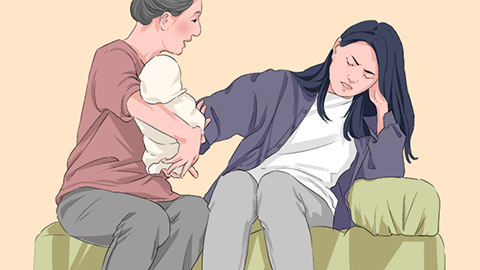
Anxiety disorders are primarily characterized by excessive anxiety, fear, and apprehension—often arising without an identifiable cause, specific trigger, or fixed content—and commonly accompanied by physical discomfort affecting one or more body regions. This group of conditions falls under the broader category of neuroses. In contrast, depression is primarily marked by persistent sadness, pessimism, loss of interest or pleasure in activities (anhedonia), diminished motivation, and even passive or active suicidal ideation or behavior.
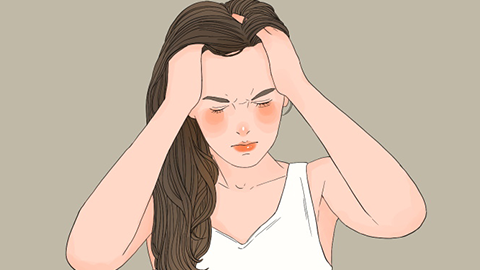
Accurate diagnosis and appropriate treatment of these two conditions require specialized evaluation and management by a psychiatrist. We hope this explanation has been helpful to you.



