


How can one cause a nosebleed?
Aug 24, 2022
Source: Cainiu Health

Dr. Xu Gang
Introduction
Excessive anger, frequent late-night activity, or consuming overly greasy foods can easily lead to “internal heat” (a traditional Chinese medicine concept), which may trigger epistaxis (nosebleeds). The nasal mucosa is particularly fragile when capillaries are already compromised. Even minor trauma—such as a bump or blow to the nose—can rupture nasal capillaries and cause epistaxis. Additionally, abnormally dry air increases vascular fragility, making bleeding more likely.
Over the past few days, I’ve experienced nosebleeds for no apparent reason—neither the cause nor the underlying condition is clear. I’d like to understand what might trigger nosebleeds and how they occur.
What Causes Nosebleeds?
Excessive emotional stress, frequent late-night activity, or consuming overly greasy foods may lead to “internal heat” (a traditional Chinese medicine concept), which can precipitate nosebleeds. The nasal mucosa is highly delicate, especially when capillaries are already fragile or compromised. Even minor trauma—such as a bump or impact to the nose—can rupture nasal capillaries and result in epistaxis. Additionally, abnormally dry air increases vascular fragility, thereby raising the risk of bleeding.
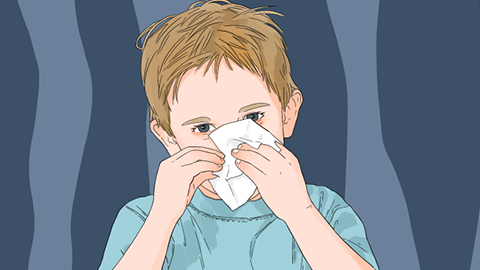
Epistaxis (nosebleed) is a common clinical symptom, often stemming from local nasal disorders but sometimes attributable to systemic diseases. Patients typically present with unilateral nasal bleeding; chronic or recurrent episodes may lead to anemia, while severe cases can even progress to hypovolemic shock. When nosebleeds occur, patients should remain calm—most cases can be managed effectively through simple self-care measures.
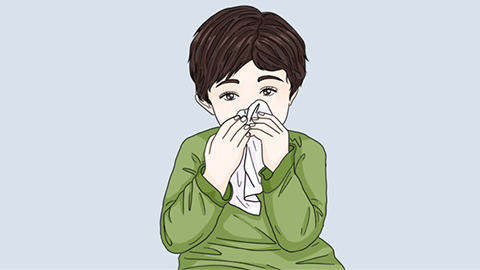
It is recommended that patients sit down slowly and lean slightly forward. Firmly pinch both sides of the nostrils with the thumb and index finger for at least five minutes. Then apply a cold towel soaked in ice water—or an ice pack—to the forehead, face, or neck. This usually stops the bleeding. Afterward, gently irrigate the nasal cavity with normal saline, and once clean, apply erythromycin ointment. We hope this information proves helpful!



