


Is Gui Pi Wan effective for insomnia?
Aug 24, 2022
Source: Cainiu Health

Dr. Zhao Haiming
Introduction
Gui Pi Wan may help alleviate insomnia. This traditional Chinese medicine contains multiple herbal ingredients, and the synergistic effects of these components can aid in treating various conditions—such as replenishing Qi and blood and strengthening a constitution weakened by deficiency. It also offers certain therapeutic benefits for insomnia. For patients with mild insomnia, Gui Pi Wan is a relatively effective treatment option. Its primary actions include strengthening the Spleen, tonifying Qi, nourishing the blood, and calming the Shen (spirit), thereby helping to relieve insomnia, frequent dreaming, headache, and dizziness.
Currently, insomnia affects nearly everyone. On one hand, individuals face immense psychological stress; on the other, they are constantly drawn to various electronic devices. Regardless of the underlying cause—be it stress or excessive screen time—such factors can lower overall health indices and thus require timely intervention. So, is Guipi Wan effective for treating insomnia?
Is Guipi Wan Effective for Insomnia?
Guipi Wan can be beneficial for certain cases of insomnia. This traditional Chinese medicine contains multiple herbal ingredients that work synergistically to address various health concerns—such as replenishing Qi and blood and strengthening a constitution weakened by deficiency. It also exerts a therapeutic effect on insomnia, particularly in mild cases. Its primary actions include fortifying the Spleen, tonifying Qi, nourishing the blood, and calming the Shen (spirit), thereby alleviating symptoms such as insomnia, frequent dreaming, headache, and dizziness. For insomnia triggered by anxiety or panic, Guipi Wan demonstrates especially notable efficacy. However, optimal results require combining its use with healthy lifestyle adjustments.
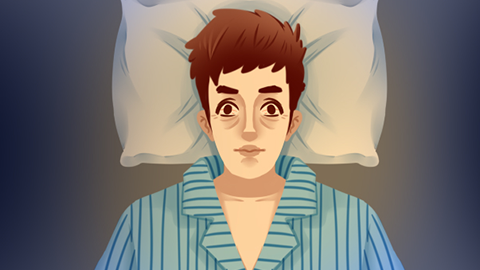
Patients are advised to incorporate regular physical exercise into their routine—ideally three to four sessions per week, each lasting at least 20 minutes—as moderate exercise can significantly improve chronic insomnia. It is equally important to encourage relaxation and reduce anxiety or depression, both of which are major contributors to sleep disturbances. Additionally, patients should avoid overeating or eating too hastily close to bedtime, as these habits may further disrupt sleep.
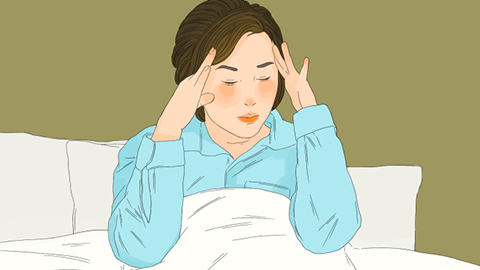
In daily life, cultivating sound habits regarding sleep, diet, and overall lifestyle is essential. We hope this information proves helpful to you.




