


What Causes Normal Nosebleeds?
Aug 24, 2022
Source: Cainiu Health

Dr. Xu Gang
Introduction
Epistaxis is one of the common symptoms and may originate solely from nasal pathology or result from systemic diseases. Epistaxis is typically unilateral, though it can occasionally be bilateral. In children and adolescents, epistaxis most commonly occurs in the anterior nasal cavity, whereas in middle-aged and elderly individuals over 40 years of age, it more frequently originates from the posterior nasal cavity. Due to the rich vascular supply of the nasal cavity, superficial vessels, vascular anastomoses, trauma, or irritation from dry air can all trigger epistaxis.
Nosebleeds (epistaxis) are a common occurrence, as the nasal cavity is highly delicate. External pressure or trauma—such as impact or injury—can easily trigger nosebleeds. So, what constitutes a “normal” nosebleed?
What Causes a “Normal” Nosebleed?
Epistaxis is one of the most common clinical symptoms and may originate solely from nasal pathology or result from systemic diseases. Most nosebleeds occur unilaterally, though bilateral bleeding can also occur. In children and adolescents, bleeding typically arises from the anterior nasal cavity; in adults over age 40, it more commonly originates from the posterior nasal cavity. Due to the rich vascular supply in the nasal cavity, superficial vessels and vascular anastomoses are especially vulnerable to trauma or irritation from dry air—both common precipitants of epistaxis.
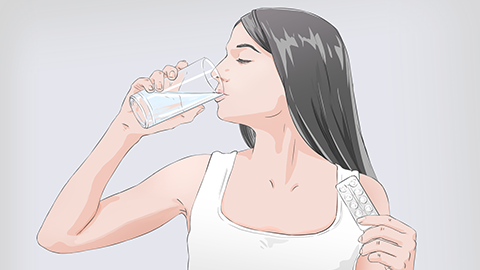
Primary treatment options for epistaxis include nasal packing, cauterization (nasal cautery), and topical application of trichloroacetic acid. Concurrently, patients should apply vitamin AD ointment or bFGF (basic fibroblast growth factor) gel intranasally, and take oral vitamin C and multivitamins to promote healing of the nasal mucosa. Most patients recover within approximately one week.

Patients experiencing nosebleeds should avoid spicy and irritating foods, and instead consume “heat-clearing” foods—such as celery and asparagus. Since nosebleeds are often associated with “excess internal heat” (a concept in Traditional Chinese Medicine), consuming blood-nourishing foods like duck blood may be beneficial. Additionally, patients should eat plenty of fruits to replenish vitamins; vitamin deficiency itself can contribute to epistaxis. Diet plays a significant role in managing and preventing recurrent nosebleeds—proper nutrition helps protect the nasal mucosa and reduce bleeding risk. We hope this information proves helpful. Wishing you good health and happiness!



