Is the mortality rate of gastric bleeding high?
Aug 24, 2022
Source: Cainiu Health

Dr. Zhao Haiming
Introduction
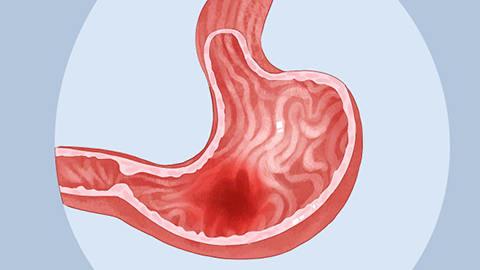
The mortality rate of gastric bleeding is relatively low; however, if the volume of blood loss exceeds 400 mL in a single episode—even without massive hemorrhage—hypovolemic shock may occur, manifesting as pallor and, in severe cases, syncope. Gastric bleeding commonly occurs in conditions such as peptic ulcers, esophageal variceal rupture, gastric mucosal erosion, and even gastric cancer. If symptoms suggestive of gastric bleeding are present, prompt medical evaluation at a hospital is essential.
Stomach disorders are common conditions in modern daily life, often resulting from improper dietary habits and unhealthy lifestyle practices.
Is the mortality rate of gastric bleeding high?
The mortality rate of gastric bleeding is generally low. However, if a single episode involves blood loss exceeding 400 mL, even without massive hemorrhage, hypovolemic shock may occur—manifesting as pallor and, in severe cases, syncope or fainting. Gastric bleeding commonly arises from peptic ulcers, esophageal variceal rupture, gastric mucosal erosion, or even gastric cancer. If symptoms of gastric bleeding appear, prompt medical evaluation is essential. Gastroscopy can be performed to identify the underlying cause, enabling targeted treatment. Medications must be taken strictly under physician supervision. In daily life, gastric health should be prioritized: limit alcohol intake, avoid spicy and irritating foods, and consume easily digestible meals—such as millet porridge—which benefits gastric health. Regular consumption of millet porridge is recommended for gastric protection.

Gastric bleeding is primarily caused by gastric ulcers and duodenal ulcers. Therefore, dietary precautions are critical following an episode of bleeding. Patients should avoid excessively hard, thick, cold, spicy, or otherwise irritating foods; smoking and alcohol consumption—especially alcohol, which is a major trigger for ulcer-related bleeding—must also be avoided. Instead, opt for semi-liquid, nutrient-rich, and easily digestible foods, and eat smaller, more frequent meals to prevent overeating. Under medical guidance, appropriate anti-ulcer medications may be prescribed to promote ulcer healing.
Patients exhibiting symptoms of gastric bleeding should seek immediate medical attention to prevent disease progression. We hope this information has been helpful.