


Postoperative Complications of Appendicitis
Aug 24, 2022
Source: Cainiu Health

Dr. Wang Mingxuan
Introduction
Potential complications following appendectomy include wound infection, suppurative portal vein thrombophlebitis (pylephlebitis), and hepatic abscess. Since appendicitis itself is a suppurative infectious condition, purulent material may easily contaminate the surgical incision during appendectomy, leading to wound infection. During surgery, the appendiceal incision site must be carefully protected to prevent contamination by pus and subsequent infection. Suppurative portal vein thrombophlebitis and hepatic abscess may also occur during appendectomy.
Appendicitis is a common condition, classified as either acute or chronic. Acute appendicitis often causes severe abdominal pain, significantly impairing the patient’s daily life and work. Prompt surgical intervention is essential. Although appendectomy is a routine procedure, proper postoperative care remains critical to prevent complications. So, what are the potential complications following appendectomy?
Postoperative Complications of Appendicitis
Possible complications after appendectomy include wound infection, suppurative portal vein thrombophlebitis (pylephlebitis), and hepatic abscess. Since appendicitis itself is a suppurative infectious disease, purulent material may contaminate the surgical incision during appendectomy, leading to wound infection. Therefore, meticulous protection of the incision site and prevention of contamination by pus are crucial intraoperatively. Pylephlebitis and hepatic abscess may occur when, due to manual compression during surgery, purulent material from the appendiceal veins enters the portal venous system—causing pylephlebitis—and subsequently spreads to the liver, where bacterial proliferation results in hepatic abscess formation. Postoperative adhesions may lead to adhesive intestinal obstruction; this can also result from prolonged retention of the appendiceal stump.
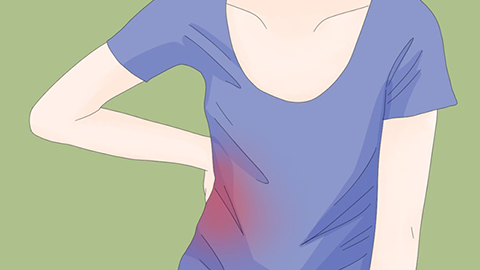
There are three key considerations following appendectomy: First, the surgical wound must remain dry—patients should avoid bathing, showering, or washing their hair, as water exposure may impede wound healing. Second, patients should consume bland, easily digestible foods, preferably liquid or semi-liquid meals, and strictly avoid spicy or irritating foods. Third, gentle, moderate physical activity is encouraged to help prevent intestinal adhesions and subsequent adhesive bowel obstruction. These precautions are vital for optimal recovery. Specifically, bathing and hair washing are prohibited for at least one week postoperatively, and the wound must not contact water. If hygiene is urgently needed, family members may assist with sponge baths using a towel—but care must be taken to avoid traumatizing the wound.

Patients are advised to avoid excessively spicy foods or hard, indigestible items that may irritate the gastrointestinal tract. We hope this information proves helpful.







