


Early Symptoms of Cirrhosis
Aug 24, 2022
Source: Cainiu Health

Dr. Jin Zhongkui
Introduction
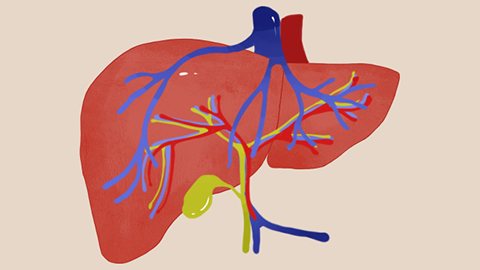
Early symptoms of liver cirrhosis include upper abdominal discomfort or pain, nausea, vomiting, fatigue, loss of appetite, and occasionally low-grade fever. However, I still need to undergo a color Doppler ultrasound examination to assess the condition of the liver and gallbladder—specifically, whether the liver surface is irregular, whether hepatic atrophy or cirrhotic nodules are present—and to evaluate splenomegaly and portal vein dilation.
Cirrhosis not only poses serious threats to physical health but can also adversely affect cardiac function—and even lead to death. Therefore, cirrhosis must not be overlooked and should be treated as early as possible. So, what are the early symptoms of cirrhosis?
Early Symptoms of Cirrhosis
Early symptoms of cirrhosis may include upper abdominal discomfort or pain, nausea, vomiting, fatigue, loss of appetite, and occasionally low-grade fever. However, further diagnostic evaluation—such as color Doppler ultrasound—is essential to assess the liver and gallbladder: checking for an irregular liver surface, hepatic atrophy, or the presence of cirrhotic nodules. The examination should also evaluate splenomegaly, portal vein dilation, fatty infiltration, and ascites. Once cirrhosis is diagnosed, patients should follow a low-salt, low-fat, and low-protein diet. Smoking and alcohol consumption must be strictly avoided, and active symptomatic and hepatoprotective treatments should be initiated promptly.
Patients with cirrhosis are encouraged to consume ample fresh vegetables and fruits—such as Chinese cabbage, cucumber, pumpkin, apple, banana, cherry, and kiwi. Additionally, appropriate supplementation with high-quality protein sources—including lean meat, chicken breast, fish, eggs, milk, and yogurt—can be highly beneficial. However, if hepatic encephalopathy develops as a complication, protein and meat intake must be restricted; in such cases, patients may moderately consume soy milk and other soy-based products to obtain plant-derived protein.
Patients with impaired liver function should avoid excessive intake of high-protein and high-fat foods. We hope this information proves helpful to you.




