


Post-appendectomy complications
Aug 24, 2022
Source: Cainiu Health

Dr. Zhao Haiming
Introduction
Appendectomy can lead to various postoperative complications, including wound infection, colds, fever, intestinal adhesions, and intestinal obstruction. Therefore, patients are advised to appropriately adjust their bodies after surgery. Common post-appendectomy complications include intestinal adhesions, intestinal obstruction, wound infection, stump appendicitis, and intra-abdominal infection. Although the incidence of these complications is low, acute appendicitis carries a high risk of perforation.
Appendicitis is one of the most common surgical conditions, and its incidence is generally higher in males than in females. Many patients—especially—are anxious about potential postoperative complications following appendectomy, making this topic a subject of widespread concern. So, what are the possible sequelae of appendicitis?
Post-Appendectomy Complications
Complications following appendectomy are varied and may include wound infection, common cold–like symptoms, fever, intestinal adhesions, and intestinal obstruction. Therefore, patients are advised to appropriately modulate their postoperative recovery. Common postoperative complications of appendicitis include intestinal adhesions, intestinal obstruction, wound infection, stump leakage (residual appendiceal stump), and intra-abdominal infection. Although the overall incidence of these complications is low, acute appendicitis carries a high risk of perforation, which can lead to peritoneal infection. Wound infection and intestinal adhesions are the most frequently observed complications. Local application of warm magnesium sulfate compresses is recommended, along with oral metronidazole and amoxicillin. If necessary, penicillin may be administered; adequate rest is also essential.
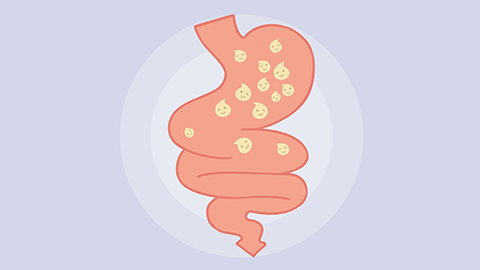
After appendectomy, patients may begin with liquid or semi-liquid foods. The choice and timing of dietary advancement depend on the surgical approach, operative duration, and extent of tissue trauma. Greater trauma and longer operative time typically result in slower recovery and potentially stricter dietary requirements. Dietary restrictions are especially stringent when gastrointestinal tract involvement—particularly reconstruction—is part of the procedure. In such cases, resumption of a normal diet may take significantly longer. However, appendectomy itself is a relatively minor procedure and does not involve gastrointestinal reconstruction.
Provided the patient’s condition permits, early oral intake—including liquids, semi-liquids, and eventually regular food—is generally encouraged. We hope this information proves helpful.







