


Feeling nauseous and having dry heaves while brushing teeth in the morning
Aug 24, 2022
Source: Cainiu Health

Dr. Zhao Haiming
Introduction
Nausea and dry retching during morning toothbrushing may be caused by chronic pharyngitis. Chronic pharyngitis is a relatively common clinical condition, with numerous potential causes—including long-term alcohol consumption, inhalation of harmful particulate matter, prolonged smoking, and even gastroesophageal reflux disease (GERD). For chronic pharyngitis, dietary modification should be the first step; patients should adhere to a light, bland diet.
Frequent morning dry heaving can damage the stomach and esophagus, cause certain harm to the body, and negatively affect mood to some extent. In such cases, it is essential to identify the underlying cause of morning dry heaving to enable timely and effective treatment. So, why does nausea and dry heaving occur during morning toothbrushing?
Why does nausea and dry heaving occur during morning toothbrushing?
Nausea and dry heaving during morning toothbrushing may be caused by chronic pharyngitis. Chronic pharyngitis is a relatively common clinical condition with multiple potential causes—including long-term alcohol consumption, inhalation of harmful particulate matter, prolonged smoking, and even gastroesophageal reflux (GER). For chronic pharyngitis, dietary adjustments should be prioritized: adopt a light diet, avoid spicy or excessively greasy foods, quit smoking and alcohol, and steer clear of respiratory irritants.
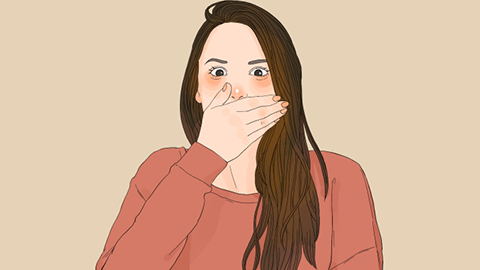
If the dry heaving results from reflux-induced pharyngitis secondary to gastroesophageal reflux disease (GERD), oral proton pump inhibitors (PPIs) and other medications may also be required for treatment. When food ingested in the morning reaches the pylorus, the pylorus remains closed, thereby increasing intragastric pressure. This elevated pressure stimulates the vomiting center in the central nervous system, triggering dry heaving.
Patients are also advised to routinely rinse their mouths with warm saline solution, which may provide some symptomatic relief. We hope this information proves helpful to you.





