


Why Does Toothache Cause Headache?
Aug 24, 2022
Source: Cainiu Health

Dr. Zhang Liwen
Introduction
Toothache is caused by infection of the dental nerve, which is actually a branch of the trigeminal nerve—the primary nerve responsible for sensation in the head and face. The trigeminal nerve has three main branches: the ophthalmic nerve, the maxillary nerve, and the mandibular nerve. The maxillary nerve innervates the upper teeth, while the mandibular nerve innervates the lower teeth. Many patients misunderstand this, assuming that headaches must stem from problems within the brain.
In real life, some patients often pay little attention to their oral health and sometimes forget to brush their teeth—especially at night. These unhealthy habits frequently contribute to toothaches. But why can a toothache cause a headache?
Why a Toothache Can Cause a Headache
A toothache is typically caused by infection of the dental nerve, which is actually a branch of the trigeminal nerve—the primary nerve responsible for sensation in the head and face. The trigeminal nerve has three major branches: the ophthalmic nerve, the maxillary nerve, and the mandibular nerve. The maxillary nerve innervates the upper teeth, while the mandibular nerve innervates the lower teeth. Many patients mistakenly assume that headaches stem solely from brain-related issues. In fact, certain headaches diagnosed via brain CT scans may originate from dental problems. Toothache is commonly a symptom of pulpitis or periapical periodontitis. In such cases, root canal treatment is essential to effectively relieve dental pain.
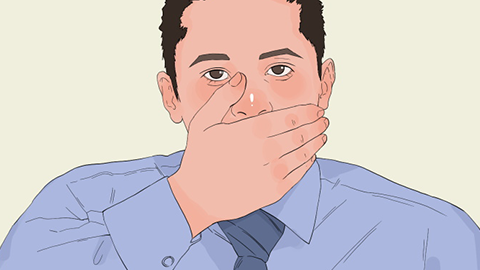
One possible cause of headache secondary to toothache is acute pulpitis. With acute pulpitis, patients experience sharp, stimulus-induced pain when exposed to cold or hot foods—particularly during eating—and the pain often intensifies and radiates to the head and face. In severe cases, patients may also develop earache and fever. It is crucial for patients to seek prompt evaluation and root canal treatment at a reputable hospital’s dental department. Treatment involves removing the infected pulp tissue and performing nerve ablation to resolve symptoms. If pulp infection is confirmed, the infected tissue must be thoroughly removed, followed by local medication application and root canal filling.
Patients are advised to maintain proper dietary habits during treatment—opting for a balanced diet and cultivating healthy lifestyle practices. We hope this information proves helpful.








