


What methods can alleviate menstrual cramps?
Aug 24, 2022
Source: Cainiu Health

Dr. Lv Aiming
Introduction
Methods to alleviate dysmenorrhea include oral analgesics—such as ibuprofen granules—as well as intravenous administration, for example, propofol injection or tartaric acid injection. Intramuscular injection is another option, such as atropine; these analgesics can significantly relieve dysmenorrhea symptoms. Additionally, during an episode of dysmenorrhea, drinking warm ginger sugar water or fruit juice, or applying a hot water bottle to the lower abdomen, may provide relief.
Everyone enjoys fruit—especially women, for whom it is a particular favorite. Many fruits aid in weight loss and enhance beauty. Generally, numerous women avoid eating fruit during their menstrual period due to dysmenorrhea (painful menstruation), fearing that fruit consumption may exacerbate their discomfort. In fact, certain fruits are safe—and even beneficial—to consume during menstruation and may help alleviate dysmenorrhea. So, what methods can effectively relieve menstrual pain?
Methods to Relieve Dysmenorrhea
Dysmenorrhea relief may involve oral analgesics—for example, ibuprofen granules—or intravenous administration, such as propofol injection or tartaric acid injection. Intramuscular injection options include atropine. These analgesics can significantly reduce dysmenorrhea symptoms. When experiencing menstrual pain, drinking warm ginger-sugar water or fruit juice—or applying a hot water bottle to the lower abdomen—can promote uterine blood flow and facilitate the expulsion of menstrual blood, thereby easing discomfort. During menstruation, avoid spicy, stimulating, and cold foods. Prioritize adequate rest and engage in moderate physical activity; avoid overexertion and late-night sleep.
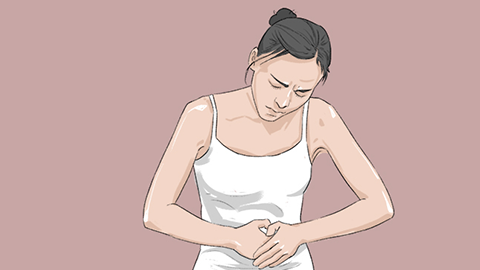
To effectively manage dysmenorrhea, it is essential first to determine whether it is primary or secondary. Secondary dysmenorrhea is typically associated with underlying organic pathology. Patients are advised to visit a hospital for laboratory tests and diagnostic evaluations to identify the precise cause and receive treatment under the guidance of a specialist physician. Primary dysmenorrhea occurs without any identifiable organic disease and may be linked to neuro-psychological factors. Patients should therefore strive to relax, avoid contact with cold water during the early phase of menstruation, refrain from consuming cold, spicy, or irritating foods, avoid strenuous exercise, and prioritize rest and warmth.
If severe pain persists after menstruation, nonsteroidal anti-inflammatory drugs (NSAIDs) such as ibuprofen may be used in combination to provide effective pain relief. We hope this information proves helpful to you.




