Is Type 3 Transformation Zone of the Cervix Serious?
Aug 24, 2022
Source: Cainiu Health

Dr. Lv Aiming
Introduction
Type 3 transformation zone of the cervix is not serious. The cervical transformation zone varies among individuals, which is a normal physiological condition. The cervical transformation zone is classified into three types:
- Type I: The squamocolumnar junction (SCJ) is fully visible;
- Type II: The SCJ is partially exposed;
- Type III: The SCJ is located within the endocervical canal and is not directly visible on speculum examination.
Many women may be informed during examinations that they have cervical ectropion (often historically termed “cervical erosion”) classified into three degrees. In fact, there is no need for concern—this condition is not serious. First, Grade III ectropion is a natural physiological phenomenon and does not cause symptoms or discomfort; therefore, no treatment is required. So, is Type III transformation zone clinically significant?
Is a Type III Cervical Transformation Zone Serious?
A Type III cervical transformation zone is not serious. Variations in the location of the cervical transformation zone among individuals are normal physiological findings. The transformation zone is categorized into three types: - Type I: The squamocolumnar junction (SCJ) is fully visible within the ectocervix. - Type II: The SCJ is partially visible—partially located within the ectocervix and partially extending into the endocervical canal. - Type III: The SCJ lies entirely within the endocervical canal and is not visible on speculum examination.

In particular, most postmenopausal women—or those who have undergone prior cervical ablative or destructive therapies—exhibit a Type III transformation zone. During cervical cancer screening (e.g., Pap smear or HPV testing) or colposcopy, this anatomical configuration often necessitates endocervical sampling (e.g., endocervical curettage), as the entire transformation zone cannot be directly visualized. If cervical screening results are normal, rest assured—this is a benign, physiological finding. Conversely, an “unsatisfactory” colposcopic examination refers to a scenario where the entire transformation zone remains unvisualized even after iodine staining (Schiller test), indicating inadequate assessment—a suboptimal result requiring further evaluation.
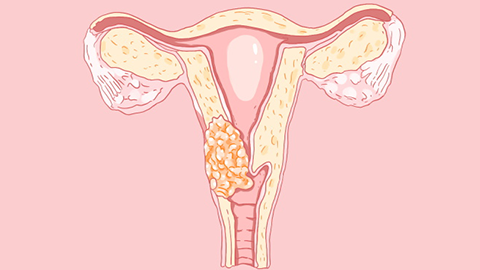
The cervical transformation zone assessment is the most commonly used method for detecting precancerous lesions and cervical cancer. When a Type III transformation zone is identified, clinicians must remain vigilant and promptly arrange additional diagnostic procedures—including endocervical sampling and/or targeted biopsy—as appropriate. We hope this explanation proves helpful.