


Do hemorrhoids require surgery?
Aug 24, 2022
Source: Cainiu Health

Dr. Cheng Yicheng
Introduction
Hemorrhoids do not always require surgical treatment. If symptoms are mild or absent—such as external hemorrhoidal tissue proliferation at the anal margin—no treatment is necessary. For mild symptoms, such as blood in the stool or on toilet paper after wiping, conservative management is typically sufficient. Ma Ying Long Hemorrhoid Ointment may be applied topically for symptomatic relief. Additionally, maintaining a healthy diet (e.g., avoiding spicy foods), avoiding prolonged sitting or squatting, and ensuring regular, soft bowel movements generally help prevent hemorrhoid flare-ups.
For some more severe cases of hemorrhoids, patients experience significant discomfort that interferes with their daily life, necessitating timely treatment. So, is surgery required for hemorrhoids?
Is surgery necessary for hemorrhoids?
Hemorrhoids do not always require surgical intervention. If symptoms are mild or absent—as in the case of external hemorrhoidal skin tags—no treatment is needed. For mild symptoms such as blood in the stool or blood on toilet paper after wiping, conservative management is usually sufficient. Topical application of Ma Ying Long Hemorrhoid Ointment can provide symptomatic relief. Additionally, patients should maintain a balanced diet—avoiding spicy foods—and refrain from prolonged sitting or squatting. Ensuring regular, soft bowel movements also helps prevent recurrence. Surgery is reserved only for severe cases that significantly impair work and daily activities—for example, when bleeding is profuse (e.g., blood spurting during defecation), which may lead to anemia.
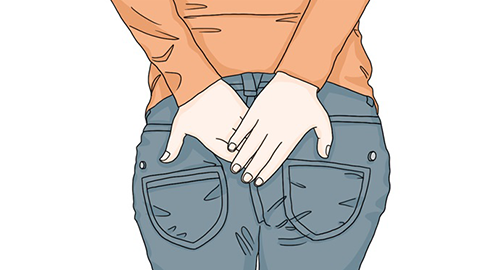
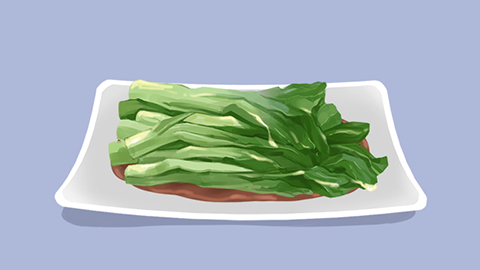
After hemorrhoid surgery, patients should maintain regular, soft bowel movements by drinking plenty of water and consuming ample vegetables while limiting intake of meat and other spicy or irritating foods. If constipation occurs, appropriate oral laxatives may be used. Commonly prescribed laxatives—such as polyethylene glycol electrolyte powder—have relatively few side effects. Postoperatively, patients are encouraged to consume more whole grains, including corn, sweet potatoes, sorghum, millet, and legumes.
Patients with more advanced disease should seek prompt medical attention. It is important to note that if unhealthy dietary habits or poor lifestyle practices persist after surgery, hemorrhoids may recur. We hope this information proves helpful to you.






