What should be done for persistent hematochezia in radiation proctitis?
Aug 24, 2022
Source: Cainiu Health

Dr. Zhao Haiming
Introduction
Under physician guidance, hematochezia caused by radiation enteritis requires hemostatic agents, antidiarrheal drugs, probiotics, and symptomatic treatment. Aggressive management of the underlying disease, elimination of precipitating factors, and enhanced symptomatic therapy are essential to alleviate clinical symptoms and improve quality of life. In cases complicated by intestinal obstruction, resection of the affected bowel segment may be performed. The objectives are to relieve intestinal obstruction, restore bowel function, and prevent recurrence.
Radiation proctitis is a relatively serious condition; once it develops, prompt and active treatment is essential. In addition, dietary management plays a crucial role in recovery—proper nutrition significantly supports healing. So, what should be done if radiation proctitis is accompanied by persistent rectal bleeding?
What to do for persistent rectal bleeding in radiation proctitis
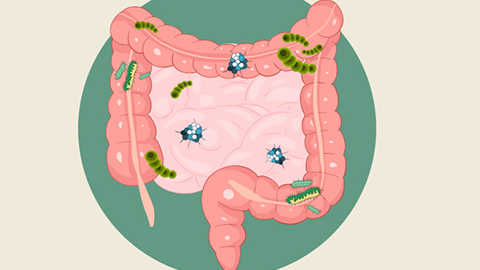
Under medical supervision, hematochezia (rectal bleeding) associated with radiation enteritis/proctitis requires pharmacological intervention, including hemostatic agents, antidiarrheal medications, probiotics, and other symptomatic treatments. It is vital to actively manage the underlying malignancy, eliminate precipitating factors, provide robust symptomatic therapy, alleviate clinical manifestations, and improve quality of life. In cases complicated by intestinal obstruction, surgical resection of the affected bowel segment may be necessary—aiming to relieve obstruction, restore intestinal function, and prevent recurrence. Radiation enteritis/proctitis refers to intestinal inflammation induced by radiotherapy for pelvic or retroperitoneal malignant tumors.
During treatment, patients should prioritize adequate rest and avoid excessive fatigue or staying up late. Emotional well-being also requires attention—maintaining a calm, stable mood and minimizing emotional fluctuations or excessive stress is important. Dietary adjustments should be made thoughtfully: avoid coarse or dry foods, reduce intake of dietary fiber, and favor soft, easily digestible meals. Also, avoid excessively greasy, spicy, or irritating foods.

Patients should promptly consult a gastroenterologist for evaluation. Irritating foods should be avoided—even seemingly bland diets may contain triggers—so professional assessment is key. Medication may be prescribed when necessary. We hope this information proves helpful.