


Symptoms of Ulcerative Colitis
Aug 24, 2022
Source: Cainiu Health

Dr. Cheng Yicheng
Introduction
The symptoms of ulcerative colitis primarily fall into three categories:
1. Gastrointestinal symptoms, such as abdominal pain, diarrhea, mucopurulent stools, and hematochezia;
2. Systemic manifestations, including fever, weight loss, and anemia;
3. Extraintestinal manifestations, which may involve peripheral arthritis, erythema nodosum, recurrent oral ulcers, sacroiliitis, and ankylosing spondylitis.
Colitis is a very common anorectal disorder encountered in daily life—especially among middle-aged and elderly individuals. However, many patients only become vigilant after symptoms have persisted for a prolonged period, often delaying the optimal timing for treatment. Therefore, it is essential to enhance public awareness of colitis. So, what are the symptoms of ulcerative colitis?
Symptoms of Ulcerative Colitis
The clinical manifestations of ulcerative colitis primarily fall into three categories: 1. Gastrointestinal symptoms, such as abdominal pain, diarrhea, passage of mucopurulent stools, and hematochezia (blood in stool); 2. Systemic manifestations, including fever, weight loss, and anemia; 3. Extraintestinal manifestations, which may involve peripheral arthritis, erythema nodosum, recurrent oral ulcers, sacroiliitis, and ankylosing spondylitis.
Some patients with ulcerative colitis experience long-term remission—meaning they maintain only mild symptoms for extended periods—though disease flares can still occur. With appropriate medical management and stabilization of disease activity, patients can achieve and sustain clinical remission.
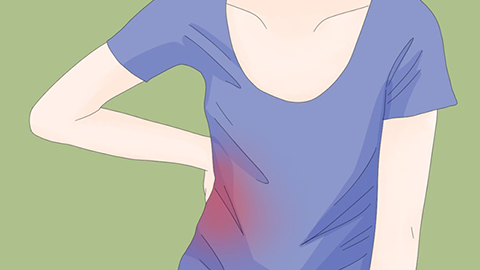
Patients with ulcerative colitis typically exhibit prominent symptoms. Abdominal pain is common, often accompanied by nausea and vomiting. Diarrhea tends to be chronic and persistent, frequently associated with mucopurulent, bloody stools. Fever and malnutrition are also characteristic features. Among various intestinal disorders, ulcerative colitis is one of the most prevalent—and it can significantly impact patients’ quality of life. Thus, early diagnosis and timely treatment are crucial for effective disease control, and dietary modifications should be incorporated as part of comprehensive management.
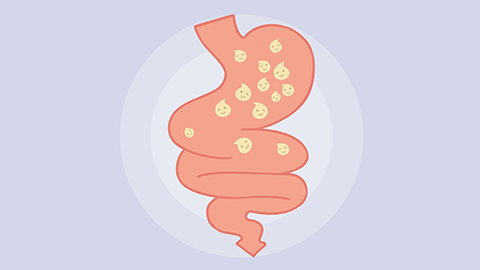
Patients are advised to adopt a rational diet: avoid spicy and irritating foods; consume smaller, more frequent meals; and prioritize easily digestible liquid or soft foods to allow the bowel adequate rest. We hope this information proves helpful to you.








