


What should I do for eczema inside the anus?
Aug 24, 2022
Source: Cainiu Health

Dr. Cheng Yicheng
Introduction
Anal eczema can be treated with topical ointments and oral antibiotics or anti-inflammatory medications. Treatment efficacy varies depending on individual differences and the severity of the eczema. Topical corticosteroid ointments—such as dexamethasone ointment—can be used to promptly control symptoms. However, if prolonged corticosteroid use leads to skin hyperpigmentation or corticosteroid dependence, calcineurin inhibitors may be substituted.
Many people experience anal pain, but since this symptom occurs only occasionally, it is often overlooked over time. However, persistent anal pain may be caused by common conditions such as hemorrhoids or anal fissures. In recent years, the incidence of anal diseases has been rising, warranting greater attention. So, what should one do if eczema develops inside the anus?
How to Manage Anal Eczema
Anal eczema can be treated with topical ointments and oral antimicrobial/anti-inflammatory medications. Treatment efficacy varies depending on individual factors and the severity of the eczema. Topical corticosteroid ointments—such as dexamethasone ointment—can effectively control symptoms promptly. However, prolonged corticosteroid use may lead to skin hyperpigmentation or steroid dependency; in such cases, switching to a calcineurin inhibitor (e.g., tacrolimus ointment) is recommended to minimize adverse drug effects. Oral antihistamines may help alleviate pruritus, while antibiotics can prevent secondary infection. In severe cases, systemic corticosteroids may be used initially for rapid disease control, followed by vitamin B supplementation to support nerve health.
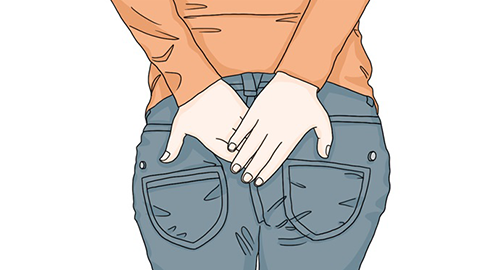
Patients with anal eczema must maintain strict perianal hygiene, adhere to prescribed medications, and follow appropriate dietary practices. The anal area should be kept clean; after defecation, gently wipe with moistened wipes to prevent fecal residue or intestinal secretions from irritating the perianal skin—thus avoiding pruritus and erosion. Warm-water sitz baths or herbal sitz baths may be used for cleansing, but water temperature should not be excessively high, and soap solutions should be avoided to prevent irritation of the perianal skin.
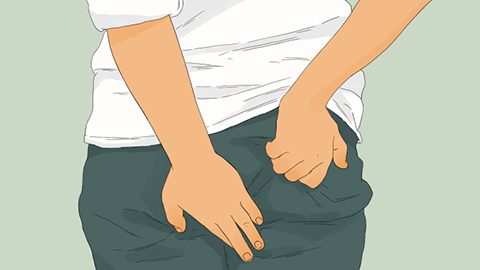
Scratching should be avoided to prevent skin breakdown and subsequent infection. A light, non-irritating diet is advised; spicy, stimulating foods and excessive alcohol consumption should be avoided. We hope this information proves helpful to you.





